Most Yuma homeowners know the water here is hard. You see it in the crusty white buildup on faucets and showerheads and the spots on your dishes. What most people do not realize is that the same minerals shortening the life of your appliances are also setting up one of the most common causes of home flooding in Yuma: a water heater that fails years earlier than it should.
Here is how Yuma’s hard water quietly destroys water heaters, and how a failed tank turns into water damage. If a tank lets go in your home, call Aquasafe Restoration 24/7 at (928) 750-1670.
Just How Hard Is Yuma’s Water?
Very. Yuma’s water measures more than 20 grains per gallon, which puts it in the “extremely hard” category and among the hardest water in all of Arizona. Total dissolved solids run around 770 parts per million, roughly double the national average. In plain terms, every gallon flowing into your home carries the equivalent of several teaspoons of dissolved rock.
The cause is geological. Yuma sits in the Sonoran Desert basin, where the Colorado River has cut through limestone and gypsum for millions of years. As that water moves through mineral-rich rock, it picks up huge amounts of calcium, magnesium, and other compounds, then delivers them straight to your plumbing.
How Hard Water Destroys a Water Heater
The damage happens inside the tank where you cannot see it. As hard water is heated, the dissolved minerals fall out of solution and settle to the bottom as a thick layer of sediment and limescale. That layer causes a cascade of problems:
- It insulates the burner from the water, so the heater works harder and longer to do the same job. Studies show hard water can cut a water heater’s efficiency by nearly 30 percent within just three years.
- It traps heat against the steel tank, which accelerates corrosion and weakens the tank walls.
- It builds up year after year until the tank can no longer hold pressure safely.
The result is a dramatically shorter lifespan. A water heater that should last 12 to 15 years often fails in Yuma in just 6 to 8. Across all the appliances and plumbing hard water touches, the typical Yuma household spends an estimated $1,800 or more a year on extra energy, repairs, and early replacements.
The Real Danger: When the Tank Fails
A worn-out water heater rarely gives much warning. When the corroded tank finally gives way, it does not drip. It dumps. A standard tank holds 40 to 80 gallons, and all of it can pour out at once, usually from a closet, garage, or utility area where it can sit and spread before anyone notices.
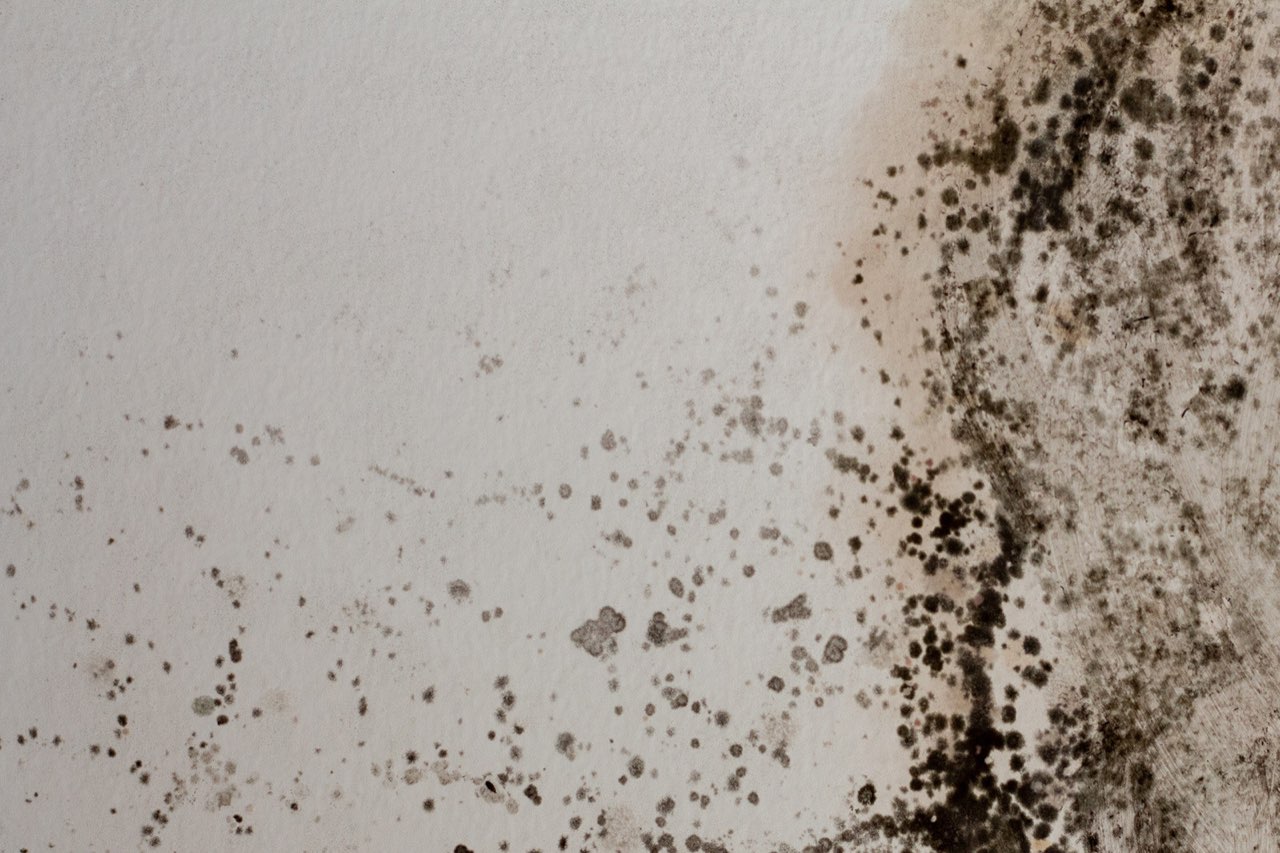
That water soaks into drywall, flooring, baseboards, and anything stored nearby. If the heater is in an interior closet, the water damage can reach multiple rooms. And because the failure often happens while no one is paying attention, the water has time to wick into the structure and start growing mold within 24 to 48 hours. This is a costly surprise for snowbirds returning to a home that sat empty all summer.
How to Protect Your Home
You cannot change Yuma’s water, but you can stay ahead of what it does:
- Flush your water heater once a year to clear out the sediment before it builds up. This is the single most effective thing you can do to extend the tank’s life.
- Install a drain pan with a leak alarm under the heater. If the tank starts to fail, you get a warning and a path for the water instead of a flood.
- Consider a water softener. It reduces the mineral load on the heater and every other appliance and fixture in the house.
- Know the age of your tank. If it is pushing 6 years or more in Yuma, start planning to replace it proactively rather than waiting for it to burst.
- Watch for warning signs: rumbling or popping sounds, rusty or cloudy hot water, or a heater that takes longer to recover. These often mean heavy sediment buildup.
Came Home to a Flooded Closet?
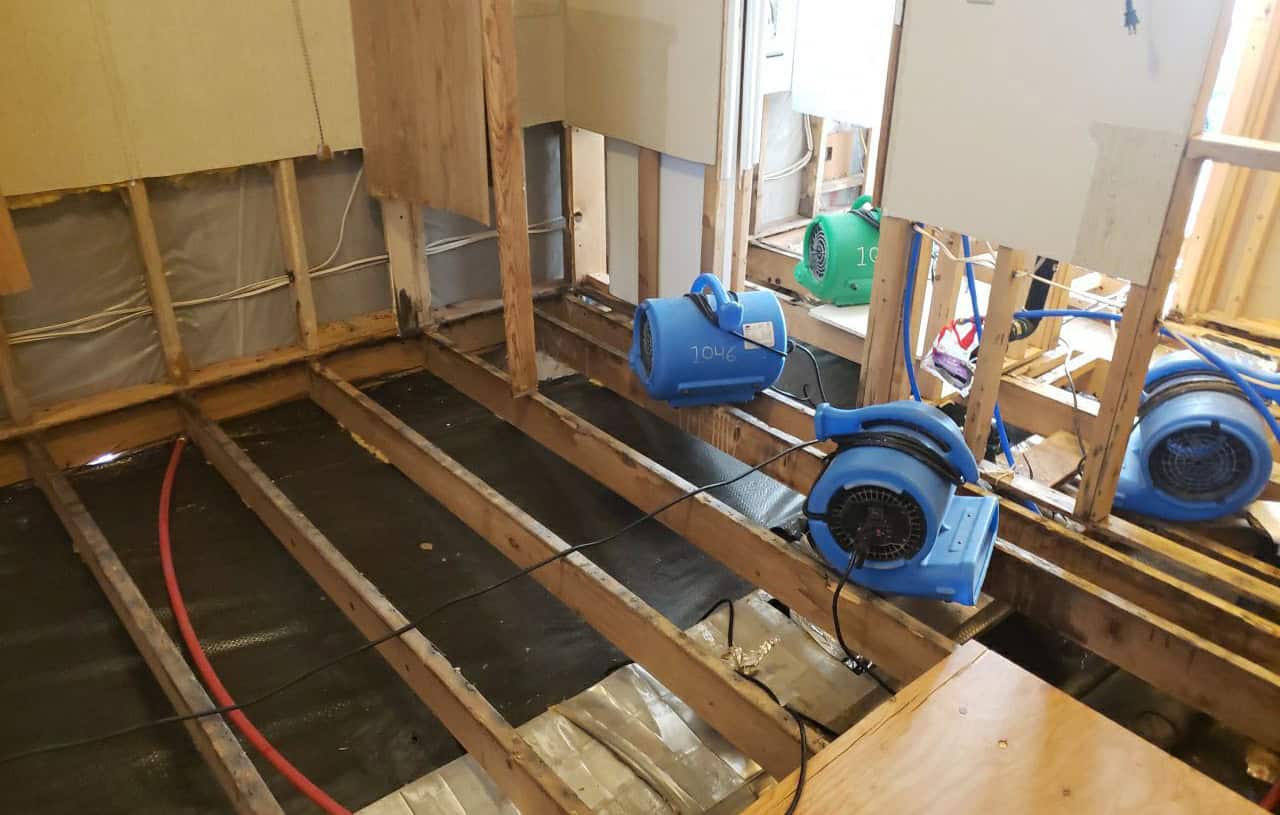
If your water heater has already failed, move fast. Shut off the water supply to the tank, cut its power or gas, and call a professional. The water has likely been spreading for a while, which means hidden moisture in walls and subfloors that needs proper drying to prevent mold.
Aquasafe Restoration has cleaned up water heater failures and water damage in Yuma homes for more than 20 years. We extract the water, dry the structure, handle any mold, and bill your insurance directly. Call us any time at (928) 750-1670.