Every winter, close to 100,000 snowbirds settle into Yuma and nearly double the city’s population through January, February, and March. Then spring comes, the snowbirds head north, and tens of thousands of Yuma homes sit empty through the hottest months of the year.
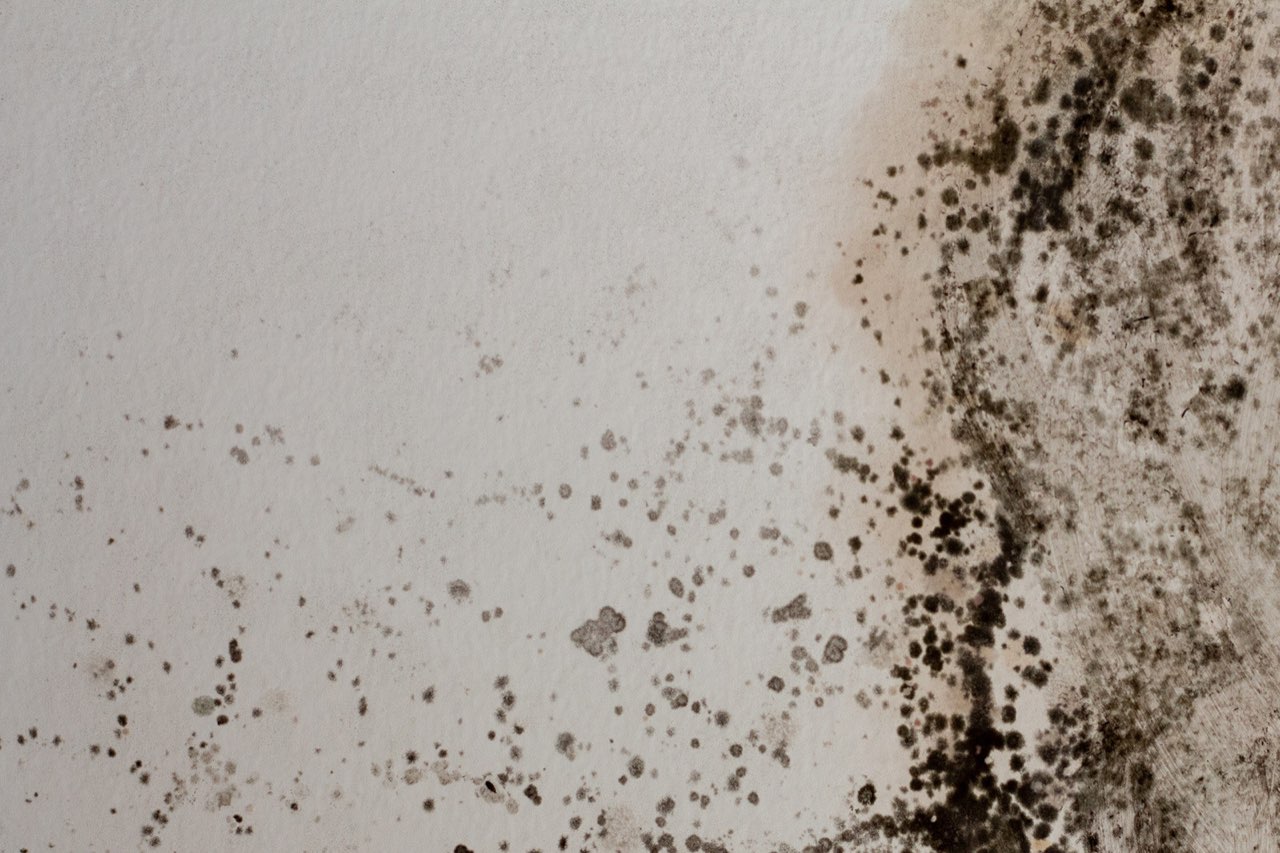
That empty stretch is when the worst water damage happens. A slow leak in an occupied home gets caught in a day. The same leak in a house nobody has entered for four months, in 115-degree heat, can rot a floor, ruin cabinets, and grow mold through half the drywall before anyone opens the front door in October.
If you close up a Yuma home for the summer, here is how to protect it. Need help after a leak you came home to? Call Aquasafe Restoration at (928) 750-1670.
Why Summer Is the Dangerous Season for an Empty Yuma Home
Heat is the problem. Yuma summers push past 110 degrees for weeks at a time, and that heat works on your plumbing. Pipes expand and contract. Supply lines to the washing machine, dishwasher, and refrigerator ice maker get brittle. Water heaters, already strained by Yuma’s extremely hard water, are most likely to fail under that load.
When a line lets go in an occupied house, you hear it or see it. In an empty house, the water just runs. Mold can take hold in 24 to 48 hours, and over a full summer a small failure becomes a structural one. This is exactly the kind of water damage we get called to clean up every fall when snowbirds return.
The One Step That Matters Most: Shut Off the Water
If you do nothing else on this list, shut off your main water supply before you leave. No live water in the house means no flood, no matter what fails inside. If you do not have an accessible main shut-off valve, having one installed is the single best investment you can make in protecting an empty home.
The Yuma Snowbird Summerizing Checklist
- Shut off the main water valve. This eliminates the risk entirely.
- Drain or “vacation” your water heater. A failed tank can dump 40 to 80 gallons into the home. Switch it to vacation mode or drain it completely.
- Disconnect washing machine hoses. Burst washer hoses are one of the most common causes of home flooding, and they fail faster in the heat.
- Service your swamp cooler. If you cool with an evaporative cooler, drain and dry the reservoir fully. Standing water left in a cooler all summer is a mold factory, and a stuck float valve can leak through your roof.
- Clear gutters, scuppers, and yard drains before you go. Monsoon season runs from mid-June through September, and a clogged drain sends storm water into the house instead of away from it.
- Set the AC, do not turn it off. Leaving the air conditioning completely off lets indoor humidity and heat climb to mold-promoting levels. Set the thermostat to around 85 degrees so the system still pulls moisture out of the air without running constantly.
- Photograph everything. Walk the house and document its condition. If you do have to file a claim, pre-summer photos make it far smoother.
- Arrange eyes on the house. A neighbor, family member, or professional home-watch service checking in every week or two catches a small problem before it becomes a gut renovation. Many insurers expect this for a home left vacant for months.
What Your Insurance Expects From a Vacant Home
This part surprises a lot of snowbirds. Many homeowners policies reduce or deny coverage on a home that has been vacant beyond 30 or 60 days, and some specifically expect the water to be shut off or the home to be checked regularly while you are away. Read your policy before you leave, and ask your agent directly how long your home can sit empty and what they require. The shut-off valve and the home-watch visits are not just smart, they may be the difference between a covered claim and a denied one.
You Came Home to a Mess. Now What?
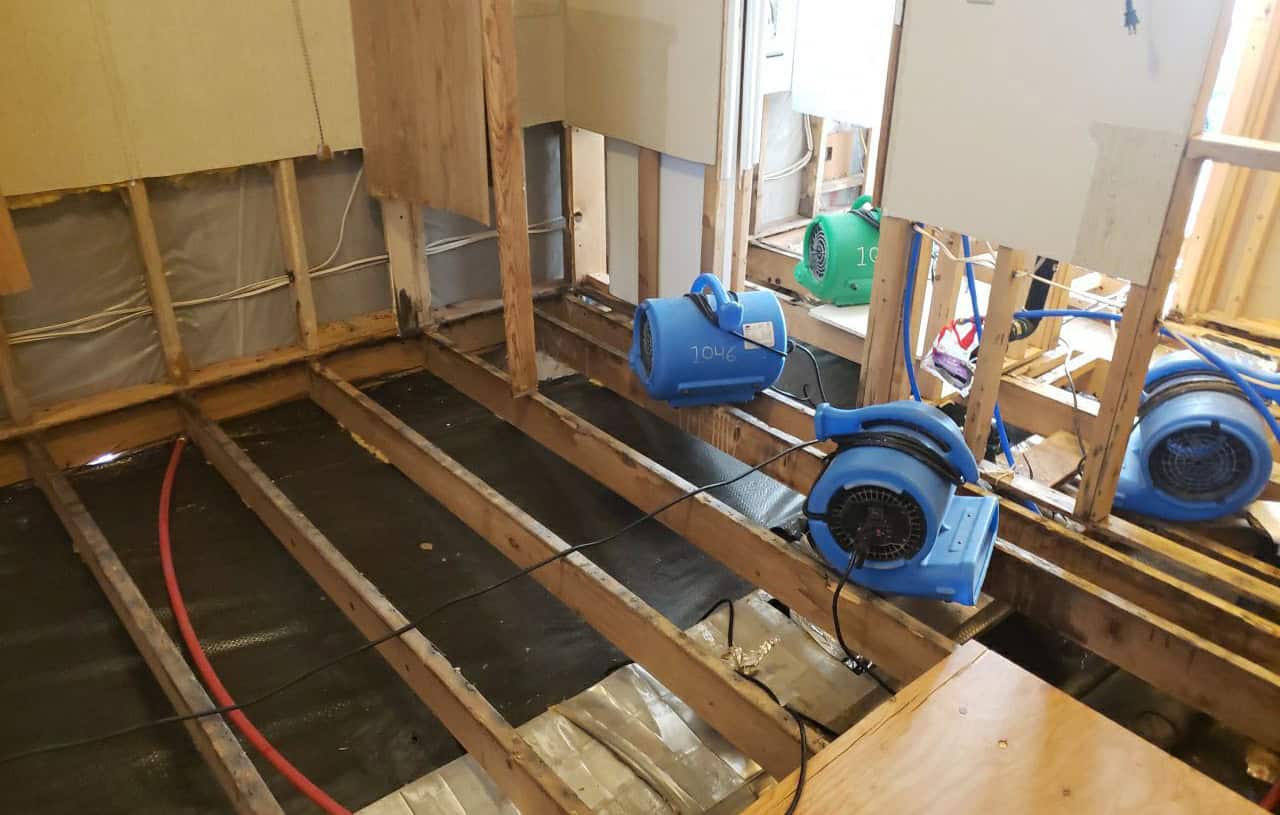
If you walk into water damage or mold in the fall, do not start tearing things out yourself. Document the damage with photos, and call a professional. The water has likely been sitting for weeks or months, which means hidden moisture in walls, subfloors, and insulation that a shop vac will never reach.
Aquasafe Restoration has served snowbirds and year-round residents across Yuma County for more than 20 years. We extract the water, dry the structure properly, remediate any mold, and work directly with your insurance company so you are not navigating the claim alone. Call us 24/7 at (928) 750-1670.