If a monsoon storm pushes water into your Yuma home, the first question is almost always the same: will insurance pay for it? For most homeowners the hard answer is no, not under a standard policy. Monsoon flooding is excluded from homeowners insurance in Arizona, and covering it takes a separate flood policy most people do not have. Here is how the coverage line works and what to do about it.
For flood damage cleanup in Yuma, call Aquasafe Restoration at (928) 750-1670. We respond 24/7, document the loss, and work with your carrier.
Why Standard Homeowners Insurance Excludes Flooding
Arizona’s Department of Insurance and Financial Institutions draws a clear line. A flood is water that comes from outside your home and enters at ground level. Standard homeowners policies exclude that kind of damage, full stop.
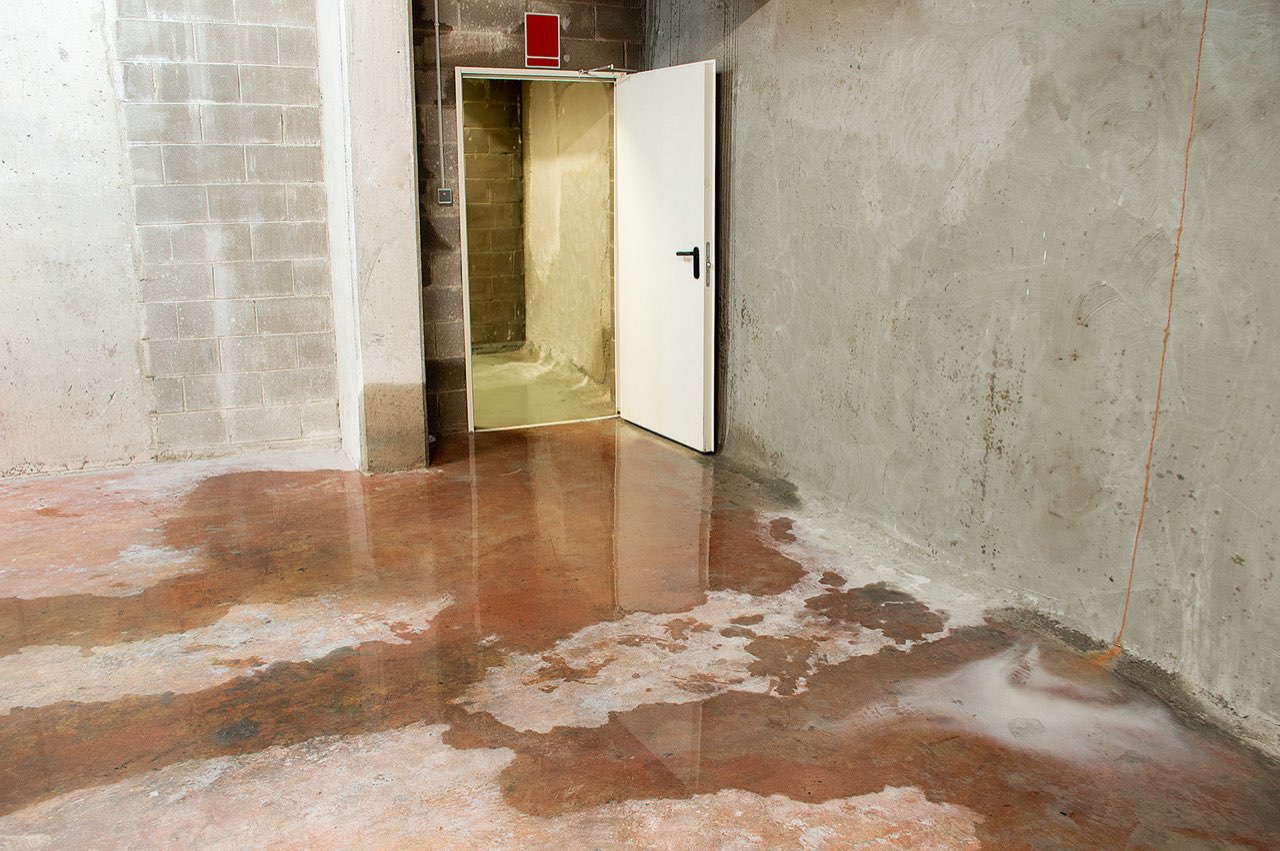
This trips up a lot of Yuma homeowners because our flooding does not look like the flooding you see on the news. We do not need a river to overflow. Yuma’s hard, sun-baked desert ground barely absorbs water, so a heavy monsoon downpour runs off fast and pools wherever the land is low. When that pooling water reaches your slab and flows inside, it is a flood by the insurance definition, even if it never got more than a few inches deep.
Flood vs. Water Damage: The Line That Decides Your Claim
The cause of the water, and where it entered, decides everything.
- Water damage (usually covered): the water started inside your home. A burst pipe, a failed water heater, an overflowing washing machine, or a supply line that let go. This is sudden and accidental, and a standard policy generally covers it. We cover this in more detail in Does My Yuma Homeowners Insurance Cover Water Damage?.
- Flood (excluded): the water started outside and came in at ground level. Monsoon runoff, water sheeting off the desert and pooling against your foundation, or a wash that overflowed and reached your home. A standard policy will not pay for this.
One storm can hand you both. Wind-driven rain through a damaged roof is usually covered. The same storm’s runoff pooling into your living room usually is not. That is why documentation matters so much, and why we photograph and separate every loss when we respond.
How Yuma Homeowners Actually Get Flood Coverage
You have two paths, and both sit outside your regular homeowners policy.
- The National Flood Insurance Program (NFIP). This is the federal program most people mean when they say flood insurance. You buy it through an insurance agent, and it typically takes effect 30 days after purchase. That waiting period is the reason to buy before monsoon season, not during it.
- A private flood policy. A growing number of private insurers write flood coverage in Arizona, sometimes with higher limits or shorter waiting periods than the NFIP. An independent agent can compare both for your home.
You do not have to live in a mapped high-risk flood zone to buy either one, and plenty of Yuma flood claims come from homes that were never considered high risk. If you want to know how your property is mapped, Yuma County runs its own Flood Control District and adopted updated floodplain regulations in 2022, and FEMA’s flood maps show your zone.
What to Do the Moment Water Gets In
Insurance is the long game. In the first hour, the priority is stopping the damage from getting worse.
- Shut off power to any flooded area if you can do it safely.
- Get people and pets to dry ground.
- Photograph everything before you move or throw anything out. Your claim depends on it.
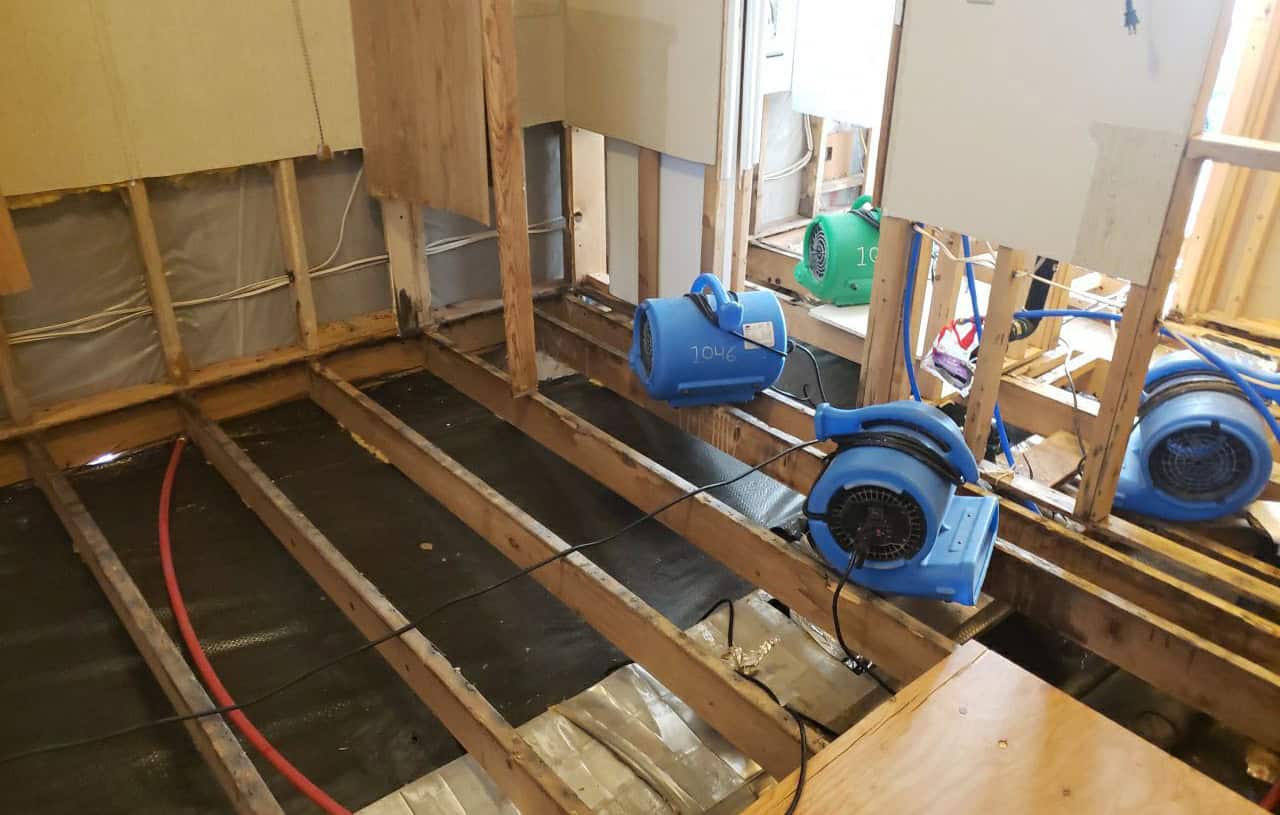
- Do not wait to dry it out. In Yuma’s heat, mold can take hold in a day or two, which turns a flood cleanup into a mold removal job on top of it.
- Call a professional restoration crew. Standing monsoon runoff often carries mud, bacteria, and whatever it picked up on the way in, which is not water you want to handle bare-handed.
Aquasafe Restoration has served Yuma County for more than 20 years. We are IICRC certified, licensed in Arizona, and available 24/7 with a 60-minute response. If a monsoon storm floods your home, call (928) 750-1670. We will extract the water, dry the structure, and give you the documentation your insurer needs, whether the loss is covered or not.