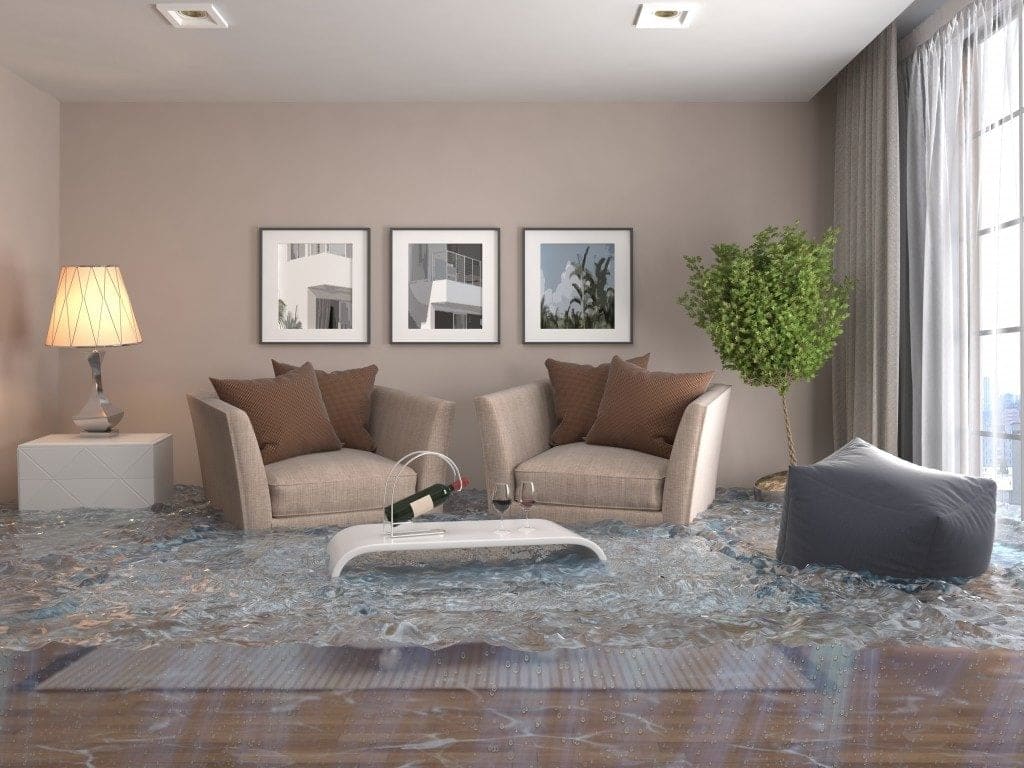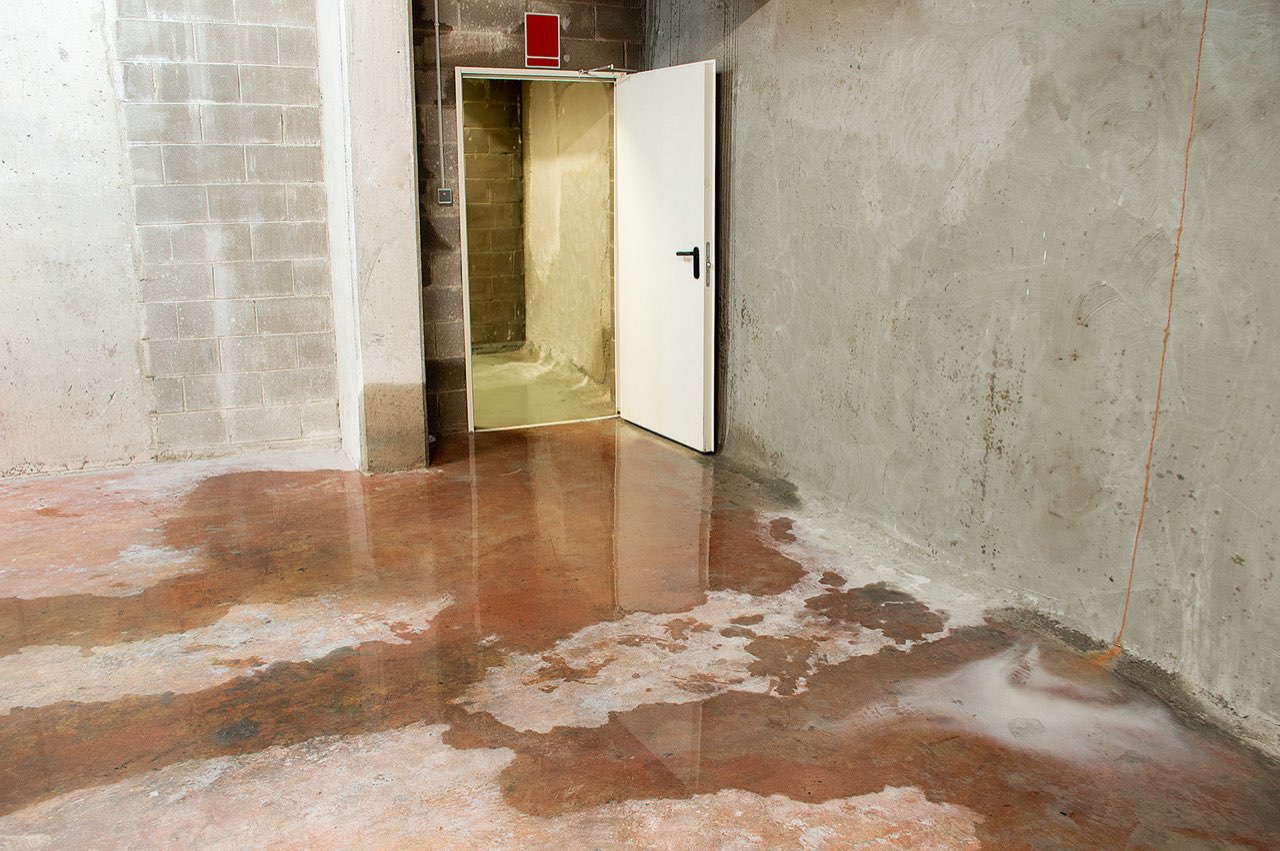
In early September 2025, Tropical Storm Lorena swept moisture into the Desert Southwest. The storm bypassed Phoenix almost entirely, but it hit Yuma hard. Thunderstorms dropped up to an inch of rain in spots, one neighborhood was left with knee-high flooding, and water seeped into homes, ruining floors, furniture, and drywall. Wind gusts near 60 miles per hour took down fences, power poles, and dozens of trees. Around 700 customers lost power, several schools closed, and calls to the Yuma Fire Department nearly tripled the daily average.
Storms like Lorena are not a fluke here. They are the price of living in the desert during monsoon season, and they offer a clear set of lessons for every Yuma homeowner. If your home floods, call Aquasafe Restoration any time at (928) 750-1670.
Why a Desert City Floods So Easily
It seems backward that one of the driest cities in the country has a serious flooding problem. The reason is the ground itself. Yuma’s hard, sun-baked desert soil does not absorb water well. When a monsoon storm dumps an inch of rain in an hour, that water has nowhere to soak in, so it runs across the surface, pools in low spots, and pushes into garages, yards, and homes.
The scale of the risk is larger than most residents realize. Roughly 89 percent of buildings in Yuma carry some level of flood risk. And the trend is not improving. The National Weather Service 2026 monsoon outlook calls for a warmer season with a 33 to 55 percent chance of above-normal rainfall across the Desert Southwest. Monsoon flooding is a near-certainty in Yuma. The only question is whether your home is ready for it.
What to Do in the First Hours After Your Home Floods
The way Yuma homeowners responded in the hours after Lorena made a real difference in how much they could save. If storm water gets into your home:
- Stay safe first. Do not walk into standing water if the power is still on. Flood water and electricity are a deadly combination. If you can safely reach your breaker panel, cut the power to the affected area.
- Document everything before you touch it. Photograph and video the water and the damage from several angles. This is what your insurance adjuster will want to see.
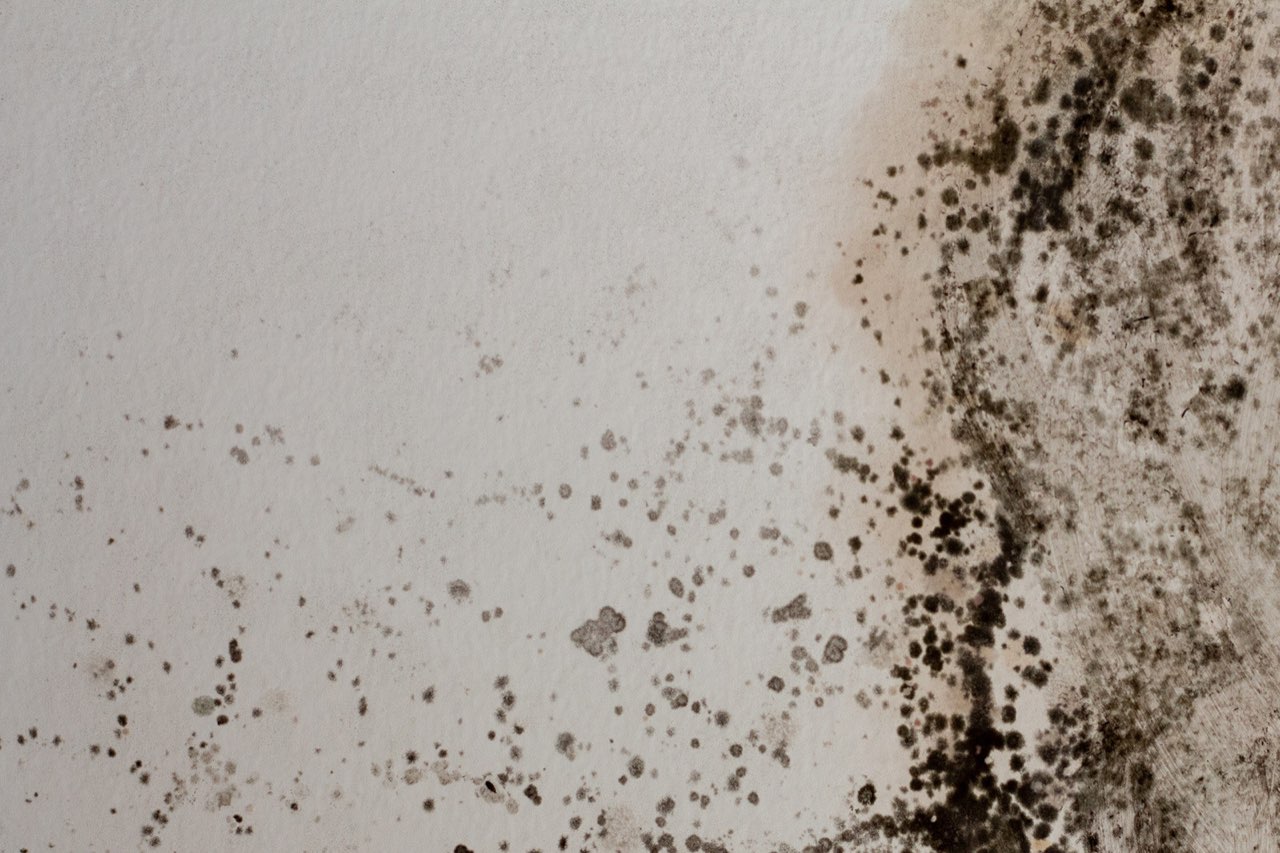
- Get the water out fast. Mold can begin growing in 24 to 48 hours. The longer storm water sits, the more it wicks into drywall, subfloors, and insulation.
- Do not assume it is clean water. Monsoon flood water often carries sediment, bacteria, and runoff from the street. Treat it as contaminated and keep family and pets away from it.
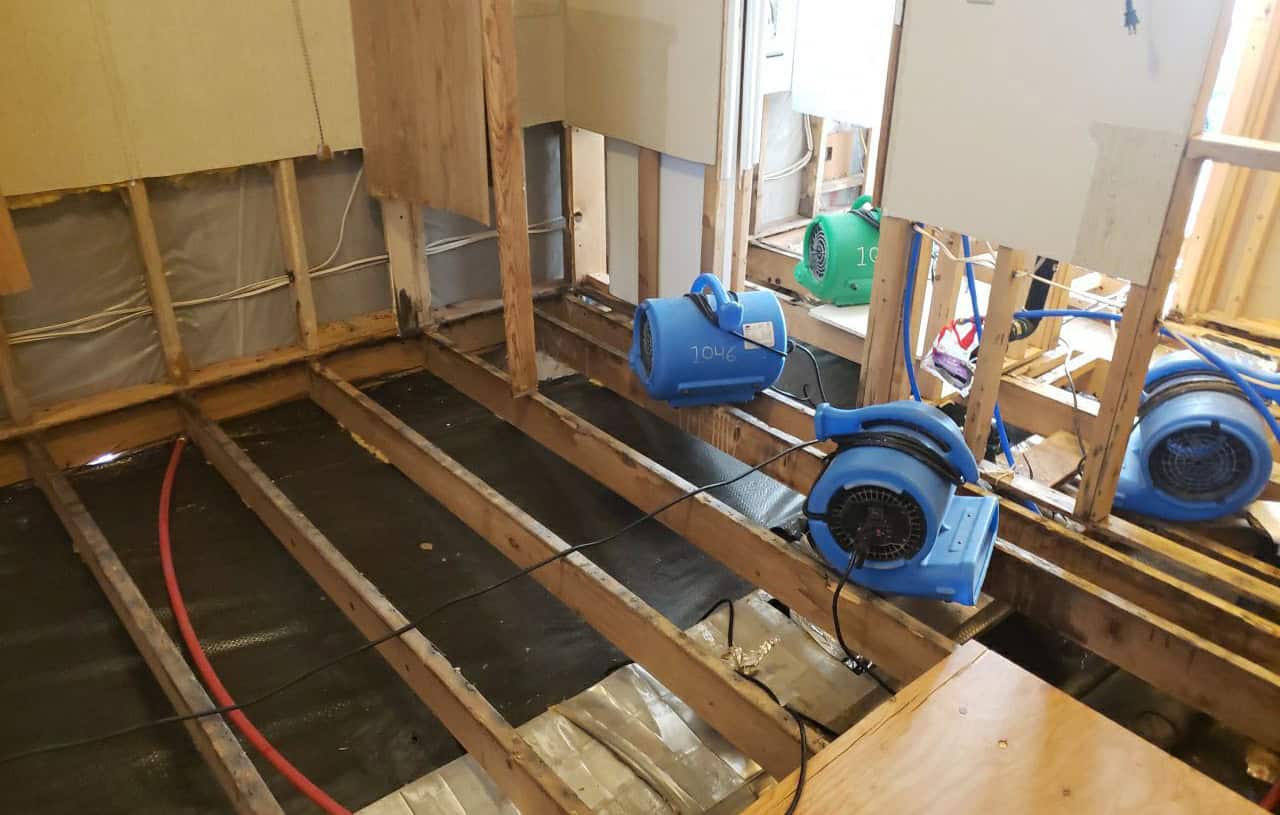
- Call a professional restoration company. A shop vac and some fans will not reach the moisture hiding inside walls and under floors. Improper drying is what turns a flood into a long-term mold problem.
How to Prepare Before the Next Monsoon
Monsoon season runs from mid-June through September. The work that protects your home happens before the storm, not during it:
- Clear gutters, scuppers, and yard drains. Yuma homes get so little rain that debris piles up unnoticed. A clogged drain sends storm water toward the house instead of away from it.
- Grade soil away from the foundation. Make sure the ground slopes away from your home so water does not collect against the walls.
- Seal gaps around doors, garage thresholds, and where pipes enter walls. A single inch of indoor water can cause major damage.
- Inspect your roof. Yuma’s intense sun degrades roofing faster than almost anywhere else, and a loose tile becomes a guaranteed leak in a downpour.
- Know where your shut-off valves are and review what your insurance covers. Standard homeowners policies often exclude external flood damage, which requires separate flood coverage.
When the Water Wins, Call the Pros
Even a well-prepared home can take on water in a storm like Lorena. When it does, fast and thorough cleanup is what protects your property from permanent damage.
Aquasafe Restoration has helped Yuma homeowners and business owners recover from monsoons, tropical storms, and flash floods for more than 20 years. We extract the water, dry the structure properly, handle any flood damage and mold, and work directly with your insurance company. We are available 24/7 across Yuma County at (928) 750-1670.