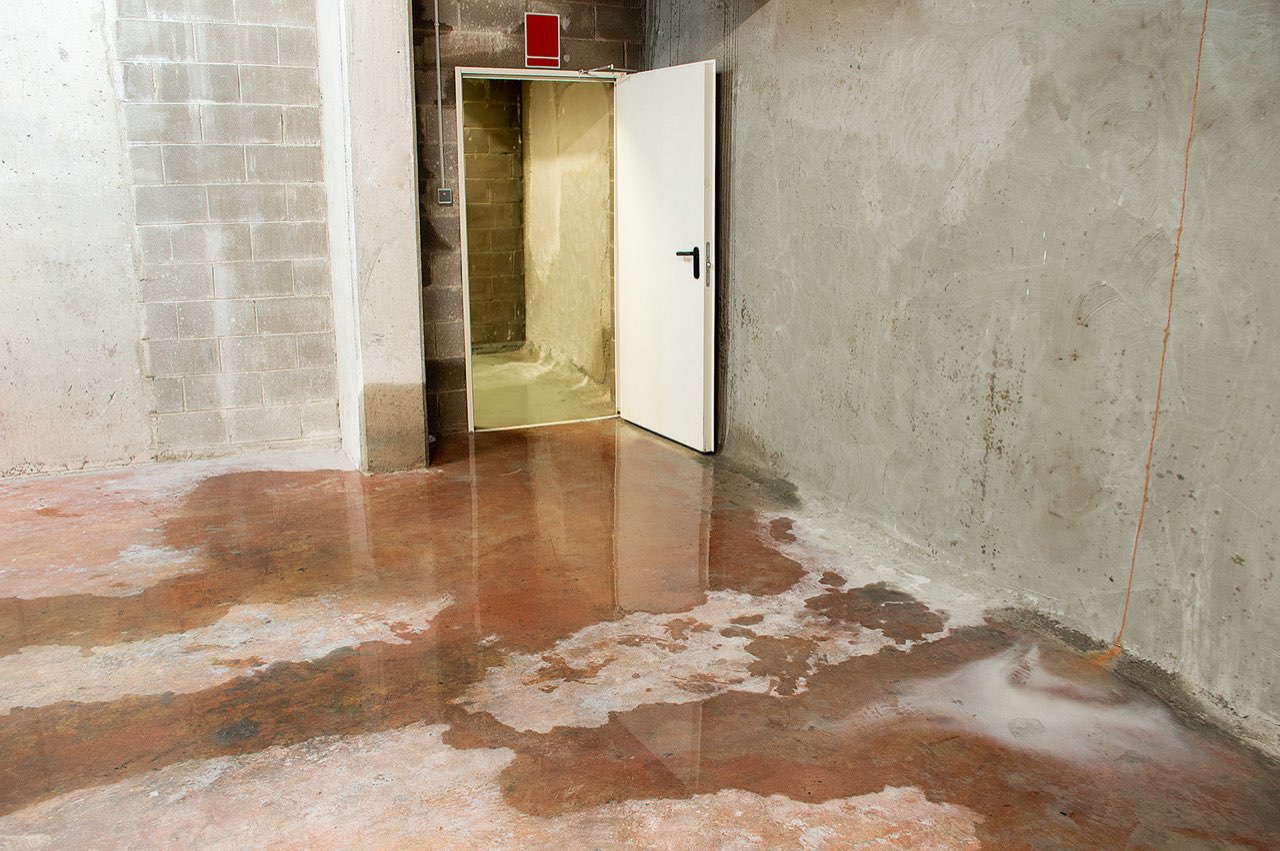
When people picture a flood, they picture a river spilling over its banks. Yuma flooding does not work that way. Here it is fast, local, and driven by the desert ground itself, which means a storm that drops an inch or two of rain can put water in your home before you have time to move the furniture. Understanding how it happens is the first step to protecting your property.
For flood damage cleanup in Yuma, call Aquasafe Restoration at (928) 750-1670. We respond 24/7 with a 60-minute response time.
The Ground Is the Problem
Yuma’s soil is baked hard by some of the most intense sun in the country. Over time it forms a dense, near-cement layer that water struggles to penetrate. Ranchers and builders call it caliche. When a monsoon storm hits, that hardpan acts less like a sponge and more like a parking lot. The rain does not soak in. It runs off.
That runoff has to go somewhere, and it goes to the lowest ground it can find: the washes.
Washes: Dry One Minute, Deadly the Next
A wash, or arroyo, is a dry channel that only runs during storms. Most of the year it is a sandy ditch you would not think twice about. During a monsoon it can turn into a fast, deep torrent in a matter of minutes, carrying mud, rock, and debris.
Homes built near a wash are the first to flood, because the wash fills and then overflows into everything around it. This is flash flooding, and the word “flash” is literal. There is often no slow rise to warn you. The water is simply there.
It Does Not Take a Big Storm
Yuma averages only a few inches of rain a year, which fools people into thinking flooding is not a real risk. The truth is the opposite. Because the ground cannot absorb water, it takes surprisingly little rain to cause serious flooding.
The August 25, 2025 storm made the point. Tacna, in Yuma County, recorded roughly 1.9 inches of rain in a single hour, about half of what the area normally gets in an entire year. Across Yuma and neighboring areas, 2 to 3 inches fell in about three hours. Washes overflowed, roads closed, vehicles were stranded, and crews carried out water rescues.
That same storm arrived as a one-two punch. A dust storm hit first, with 50 to 65 mph winds that cut visibility to near zero, flipped semi trucks, and knocked down power poles along Interstate 8 near Tacna. Then came the flooding. In the low desert, dust and flood often travel together, and a home can take a beating from both in the same afternoon.
Why Yuma Homes Flood the Way They Do
Most Yuma homes are built on a concrete slab, with no basement. There is no lower level to catch water, but the living space sits close to the ground, so flood water flows straight in through doors, garages, and low walls. Once it is inside, it moves across the floor fast and wicks up into drywall, baseboards, cabinets, and flooring.
And in Yuma’s heat, the clock starts immediately. Warm, wet building materials can grow mold within a day or two, which turns a flood into a mold removal job stacked on top of the water damage.
What to Do When Flood Water Reaches Your Home
- Get to safety first. People and pets to dry ground. Never walk or drive through moving flood water; it is deeper and faster than it looks.
- Cut the power to affected areas if you can do it safely.
- Photograph everything before you move or discard anything. Monsoon flooding is excluded from standard homeowners insurance, so if you carry a separate flood policy, documentation is everything. We break this down in Does My Yuma Homeowners Insurance Cover Monsoon Flooding?.
- Do not wait to dry it out. The faster the water and moisture are gone, the less structural and mold damage you face.
- Treat it as contaminated. Flood water that ran across the desert and through a wash often carries mud, bacteria, and debris. That is a job for a professional crew with the right equipment, not a wet vac.
Aquasafe Restoration has served Yuma County for more than 20 years. We are IICRC certified, licensed in Arizona, and on call 24/7 with industrial water extractors and drying equipment. When a monsoon storm floods your home, call (928) 750-1670. We will get the water out, dry the structure properly, and document the loss for your insurer.