Swamp coolers keep a big share of Yuma homes livable through the summer, and most homeowners never think twice about them. They should. The same wet pads and roof-mounted water lines that make a swamp cooler work also make it one of the most overlooked causes of water damage and mold in Yuma homes.
If you cool your home with an evaporative cooler, here is what can go wrong, how to spot it early, and when to call a professional. For help with water damage or mold from a cooler, call Aquasafe Restoration at (928) 750-1670.
What Is a Swamp Cooler, and Why Is It a Risk?
A swamp cooler, also called an evaporative cooler, cools your home by pulling warm outside air through wet pads. As the water evaporates, the air cools, and a blower pushes it into the house. It works beautifully in Yuma’s dry heat, and it uses far less electricity than central air.
The catch is that it runs on a constant supply of water, and the unit usually sits on your roof. That combination, water plus a rooftop location plus the dust and minerals in Yuma’s air, is exactly the setup that leads to leaks and mold when a cooler is not maintained.
How a Swamp Cooler Causes Water Damage
A swamp cooler holds a reservoir of water and refills it through a float valve, the same way a toilet tank does. Several things can go wrong:
- The float valve sticks open and the reservoir overflows.
- The water supply line cracks or leaks, usually from heat and age.
- The pan rusts through, which is common on older units.
- The pads stay so saturated they drip past the housing.
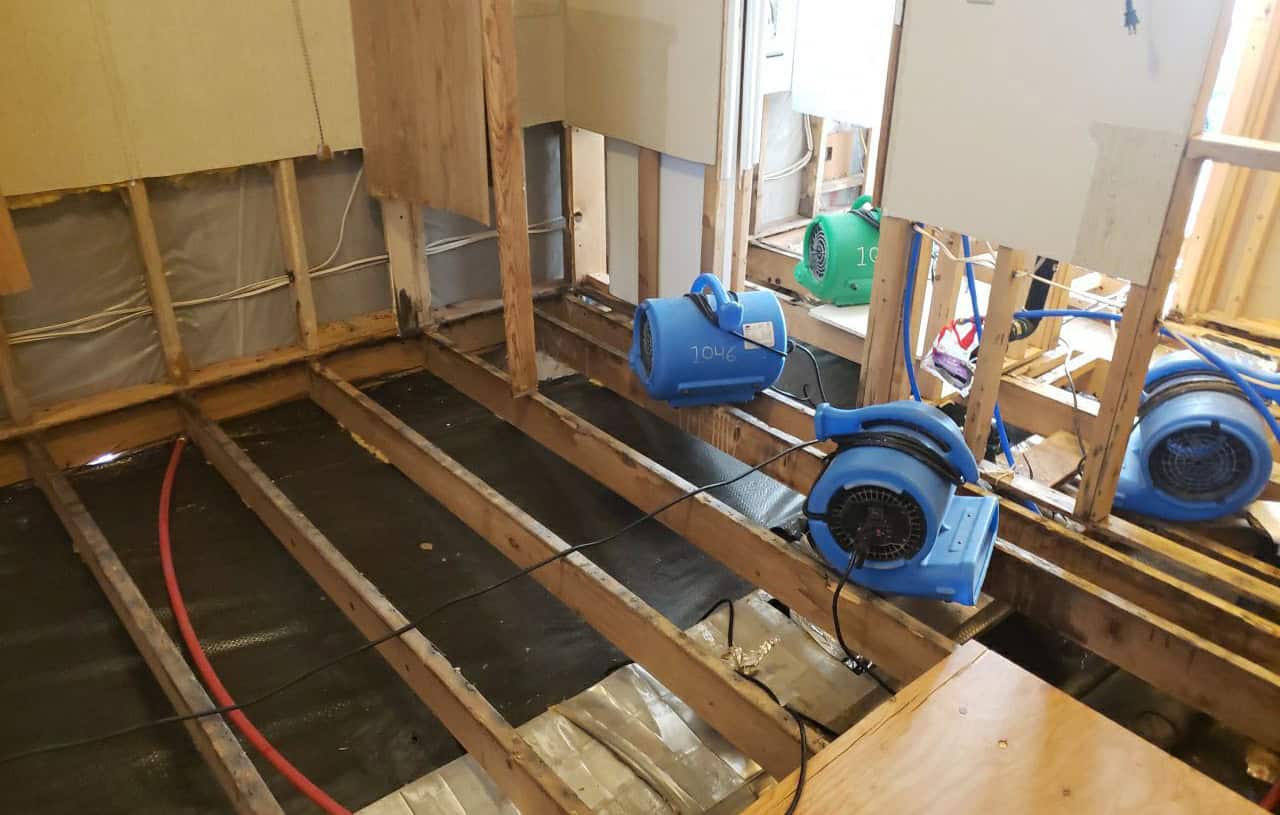
Because the unit sits on the roof, that water does not spill onto the floor where you would notice it. It runs down into the ceiling, the attic, and inside the walls. A slow cooler leak can soak structural materials for weeks before a stain finally shows up on the ceiling.
Watch for these signs of swamp cooler water damage:
- Brown or yellow stains on the ceiling near or below the cooler
- Soft or sagging drywall
- Bubbling or peeling paint
- A musty smell when the cooler kicks on
- A water bill that climbed for no obvious reason
How a Swamp Cooler Causes Mold
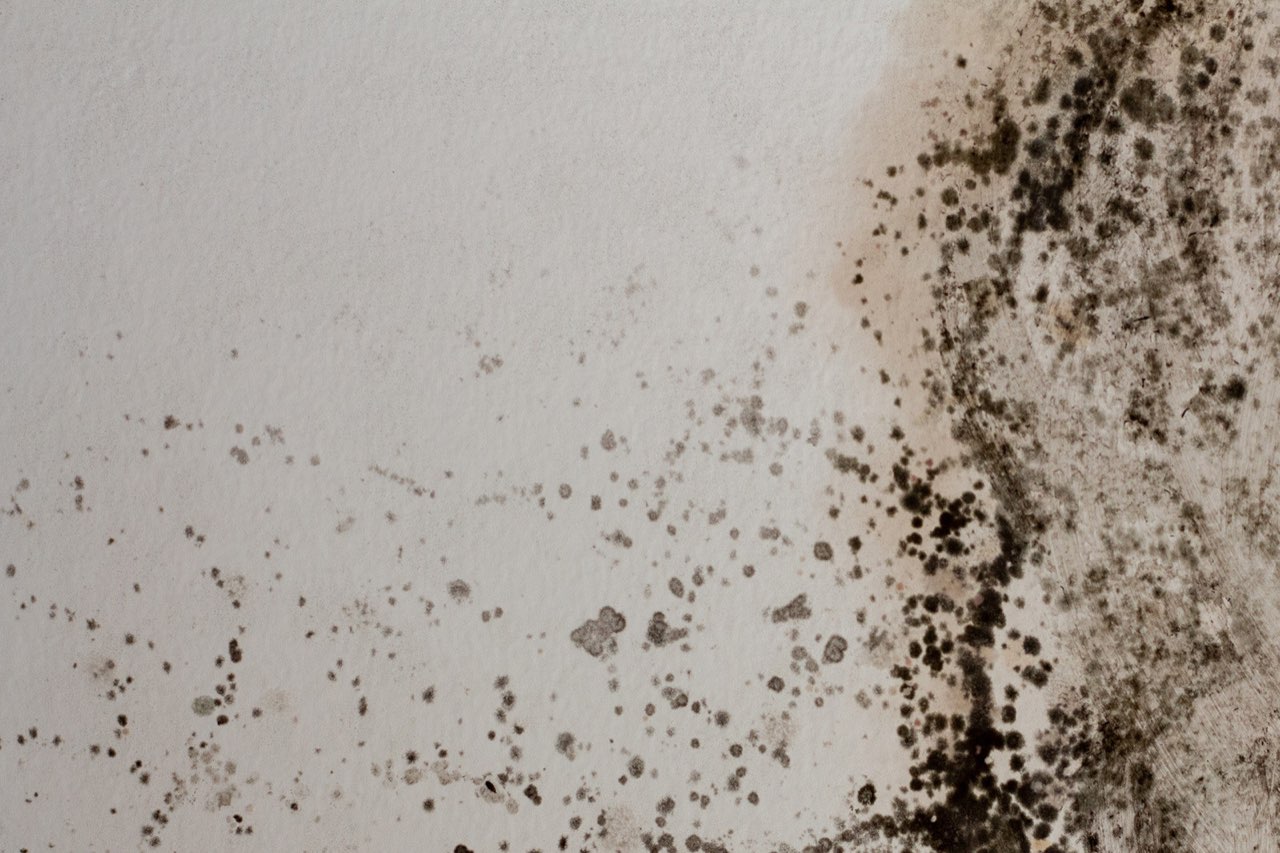
This is the part most Yuma homeowners do not expect. A swamp cooler is, by design, a warm, wet, dark box with a steady supply of organic dust blowing through it. That is an ideal home for mold. It grows on the pads, in the standing water of the reservoir, and inside the ductwork.
Then the blower does what it is built to do and pushes air through all of it, distributing mold spores into every room every time the cooler runs. Studies have found that homes cooled with evaporative coolers can carry roughly three times the airborne mold spore levels of homes with central air conditioning, and a noticeably higher share of allergy sufferers in those homes react to at least one type of mold.
Monsoon season makes it worse. From mid-June through September, outdoor humidity in Yuma spikes, and a swamp cooler pulls that humid air straight into your home. Indoor moisture climbs to levels mold loves, which is why so many mold problems in Yuma show up in late summer.
How to Prevent Swamp Cooler Damage
Maintenance is cheap. Repairs and remediation are not. During cooling season:
- Drain and rinse the reservoir and pads every one to two weeks. Standing water is what drives mold growth.
- Replace the pads at least once a year, more often if they look dirty or smell.
- Check the float valve and water line for sticking, cracks, and drips.
- Inspect the roof penetration and pan for rust and pooling.
- Winterize the unit when you stop using it. Drain it completely and dry it out. A cooler left full of water all winter, or all summer in a snowbird’s empty home, comes back as a mold problem.
When to Call a Professional
A little surface cleaning is a homeowner job. Ceiling stains, sagging drywall, a musty smell that will not go away, or visible mold are not. By the time damage shows on the ceiling, water has usually been moving through the structure for a while, and mold may already be growing inside the walls and ductwork where you cannot see it.
Aquasafe Restoration has handled water damage and mold in Yuma homes for more than 20 years. We find the true source of the moisture, dry the structure properly, remediate the mold, and repair the damage, then we work directly with your insurance. Call us 24/7 at (928) 750-1670.