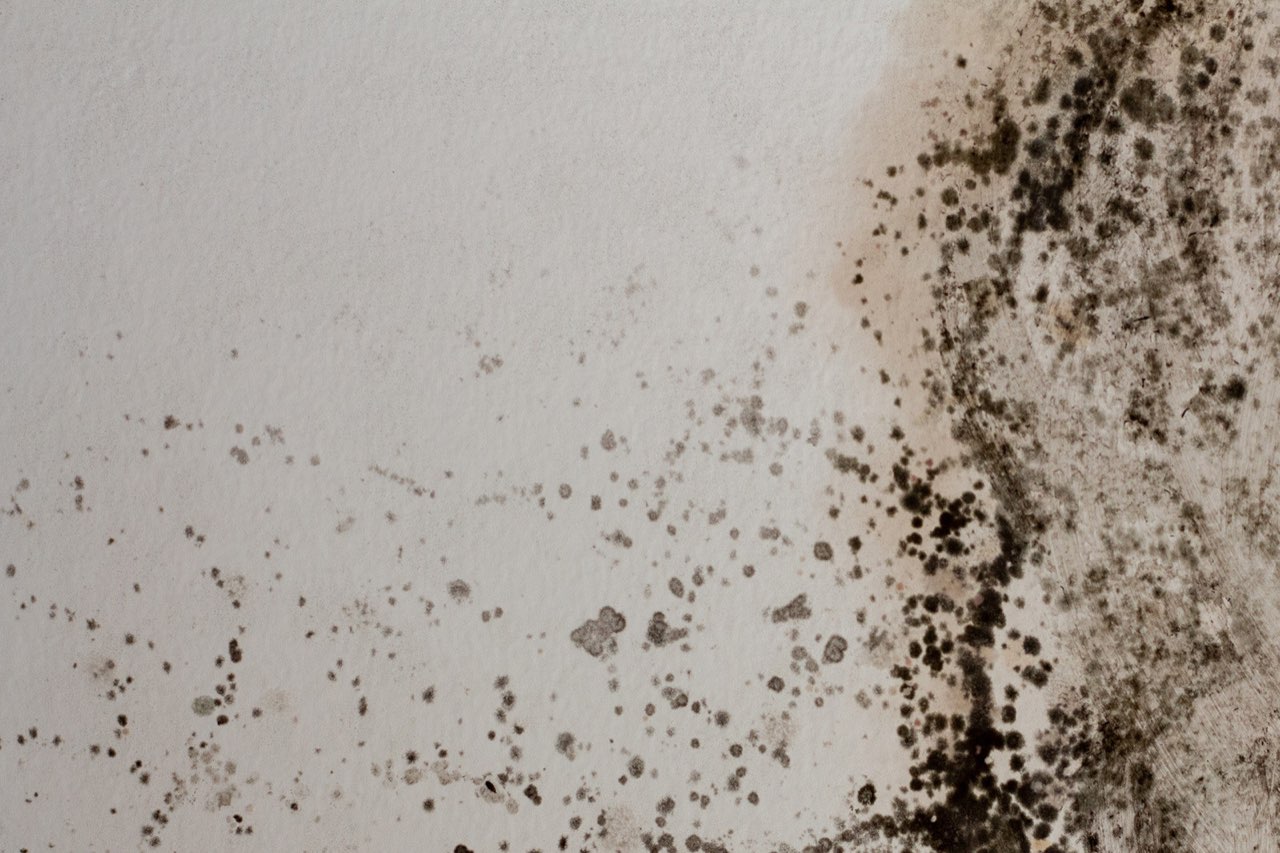
If you have found something dark growing on a wall, or the house has smelled musty for weeks and you cannot find why, the natural next step is to get someone out to look at it. The problem is that “mold inspection” means two different things, and in Arizona there is no licensing board sorting out who is qualified to do either one.
Here is the straight version.
The Short Answer
There are two separate jobs, and they should usually be done by two separate companies:
- A visual assessment. Someone walks the property, finds the moisture source, maps how far it has spread, and tells you the scope of the problem. This is what a remediation company does, and it is normally free.
- Laboratory sampling. Someone takes air or surface samples, sends them to an accredited lab, and produces a written report on what species are present and at what concentrations. This is paid work, and it should be done by an independent hygienist who is not going to bid on the cleanup.
For most Yuma homeowners with visible mold and a known water source, the first one is all you need. Call us at (928) 750-1670 and we will come look, free, and tell you honestly which category you are in.
Arizona Does Not License Mold Inspectors
This surprises people, so it is worth stating plainly: Arizona has no state licensing or certification requirement for mold inspectors or mold remediators. Arizona is one of roughly 38 states with no mold-professional regulation at all. There is no board, no exam, and no license number to check.
That means anyone in Yuma can print “mold inspection” on a truck tomorrow. It also means the burden of vetting falls entirely on you.
What to ask whoever you call:
- What certifications do you actually hold? IICRC is the meaningful one in this industry. Ask which specific certifications and who holds them.
- Do you do both the testing and the removal? Read the next section before you accept “yes” as an answer.
- What is your assessment going to cost me, and what do I get? A written scope, or a verbal opinion, or a lab report are three very different deliverables.
- Are you insured, and can you show me?
Why the Company That Removes Your Mold Should Not Be the Company That Tests It
This is the part most homeowners never hear, and it is the reason we turn down testing work.
The industry standard for professional mold remediation is ANSI/IICRC S520. It is the document our own process follows. On the question of verifying that a job was done correctly, S520 is direct: post-remediation verification should be performed by an independent third party, an indoor environmental professional with no financial interest in the remediation. If the same company does both, S520 says they should disclose in writing to the client that they are deviating from the standard.
The logic is not complicated. A company that tests your home, tells you how bad it is, quotes you the cleanup, does the cleanup, and then tests again to confirm it passed has graded its own homework at every step. Even with the best intentions, that is a bad structure. The incentive runs the wrong way in both directions: toward finding more mold at the start, and toward finding less at the end.
So we do not do it. We do the visual assessment and the remediation. Sampling goes to somebody independent. If a competitor offers to handle testing and removal in one package, that is your cue to ask them about S520.
What Our Free Visual Assessment Actually Involves
“Free inspection” can mean a technician glancing at a wall and handing you a quote. Here is what ours covers:
- Finding the water. Mold is a symptom. Something is wet, or was wet. We use moisture meters on drywall, baseboards, and the slab, and thermal imaging to see temperature differences that indicate moisture behind surfaces we cannot open.
- Mapping the spread. Visible mold is usually the smallest part. We establish how far it runs inside wall cavities, under flooring, and into adjacent rooms, so the scope reflects the real problem instead of the visible one.
- Checking the usual Yuma suspects. Roof-mounted evaporative coolers leaking into ceilings, condensate lines, water heater closets, slab moisture wicking up through flooring in the irrigated parts of the valley.
- Telling you whether you need sampling. Sometimes the answer is no, and we will say so.
You get our findings and a written scope if there is work to do. If there is not, you get told that too.
When Sampling Is Genuinely Worth Paying For
Testing is not a scam. It is just frequently sold to people who do not need it. It earns its cost when:
- The mold is hidden. Musty smell, no visible growth, and no obvious water source. Sampling can confirm whether there is an elevated spore count and help narrow the search.
- Somebody in the house is sick. If a family member has respiratory symptoms and a doctor is asking what the exposure is, a lab report gives them something concrete to work with.
- You need documentation. Insurance disputes, landlord and tenant disagreements, and real estate transactions all run on paper. A report from an independent third party carries weight that a remediator’s opinion does not.
- You want post-remediation verification. After the work is done, an independent clearance test confirms the job met the standard. We encourage this, and we do not perform it.
If none of those apply and you can see the mold and know where the water came from, testing is usually money that would be better spent on the actual removal.
Yuma-Specific Reasons Mold Shows Up Here
People assume the desert is too dry for mold. Yuma averages about three inches of rain a year, and it still generates steady mold work, because indoor moisture has nothing to do with outdoor humidity:
- Evaporative coolers add moisture to the air by design, and roof-mounted units leak directly into ceilings. We cover this in detail in Is Your Swamp Cooler Causing Water Damage or Mold?
- Air conditioning condensate lines clog and overflow into ceilings and wall cavities.
- Slab moisture in the irrigated parts of the valley, especially around Somerton and the farming areas, migrates up through concrete and breaks down flooring adhesive along exterior walls.
- Summer heat with the house closed up. A leak that starts in May in an empty snowbird home has months of heat and no air movement to work with.
For where mold tends to hide in a Yuma house, see Hidden Places Mold Hides in Yuma Homes. If you are trying to work out whether what you are looking at is dangerous, start with Is Black Mold Dangerous?
What to Do Right Now
Do not disturb it. Do not scrub it with bleach, do not cut into the wall to see how far it goes, and do not run a fan in the room. All three spread spores through the rest of the house and make the eventual job larger.
Call (928) 750-1670. We will come out, look properly, find the moisture source, and tell you what you are dealing with at no cost. If you need independent lab work, we will tell you that and point you toward someone who has no stake in what we quote you.
Aquasafe Restoration has handled mold remediation across Yuma County for more than 20 years. We are IICRC certified, licensed in Arizona, and our remediation process follows the S520 standard.