A swamp cooler earns its keep in Yuma from spring until well into October. Then most people flip it off, switch the thermostat to heat, and forget about it until April. That idle stretch is when a cooler quietly does the most damage, because nothing about it is dry just because it is off.
This is how to shut one down properly, and what tends to go wrong when you skip it. If a cooler has already leaked into your ceiling or you are smelling mold when it runs, call Aquasafe Restoration at (928) 750-1670.
Why a Swamp Cooler Left Wet Over a Yuma Winter Grows Mold
In summer the cooler is moving air and refilling with fresh water every day. Shut it off with water still in the pan and the pads still damp and you have created a warm, dark, wet box that never dries, sitting on a roof that still gets full sun most winter days.
Yuma winters are not cold enough to stop that. Average overnight lows in December and January are in the mid-40s, and freezing nights are uncommon. Days are warm. Inside the cooler housing that means condensation cycles, standing water, and organic dust from a full season of use, which is everything mold needs. By spring the pads and pan are colonized, and the first time you run the unit the blower delivers all of it into the house. That is why so many Yuma homes smell musty the first week the cooler runs.
How to Winterize a Swamp Cooler in Yuma: 10 Steps
Do this the week you stop using the cooler. It takes about an hour.
- Cut the power. Switch the cooler off at the control and at the breaker or disconnect before you open the housing.
- Shut the water supply valve. It is usually a small valve on the line feeding the cooler, near the unit or at the hose bib it taps into. Close it tight.
- Disconnect and drain the supply line. Undo the line at the valve and at the cooler and let it drain completely. The point in Yuma is not ice. A line left connected stays pressurized all winter, and a pinhole crack in a sun-baked plastic line leaks onto your roof for months while nobody is up there to see it.
- Drain the reservoir. Pull the drain plug or open the drain valve on the bottom of the pan and let every bit of water out. Tip the unit slightly if the pan has a low corner that holds water.
- Pull the pads. Yuma has some of the hardest water in Arizona, and by October the pads are crusted with minerals and packed with dust. Throw them away if they are scaled or discolored. Do not leave old pads in the unit over the winter.
- Scrub and rinse the pan. Hose out the sediment and scrub any scale. Look at the pan while it is empty: rust spots, pitting, and thin metal at the corners are the early warning for a pan that will rust through.
- Let it dry completely. Leave the housing open a few hours in the sun with the pads out until the pan and the interior are bone dry. This is the step people skip, and it is the whole point.
- Close the damper and seal the duct. Most units have a damper where the cooler meets the duct. Close it. If yours does not seal well, block the duct opening from inside with a purpose-made cooler duct cover. Otherwise you are heating the house all winter with a hole in the roof.
- Cover the unit. A fitted cooler cover keeps dust, rain, and birds out and keeps the cooled-air path sealed.
- Look at the ceiling below it. Go inside and check the ceiling directly under the unit for staining or soft spots. If the cooler leaked at any point during the season, this is where it shows.
What Happens If You Don’t Winterize Your Swamp Cooler
We see the results of a skipped shutdown every spring. It goes wrong in four ways.
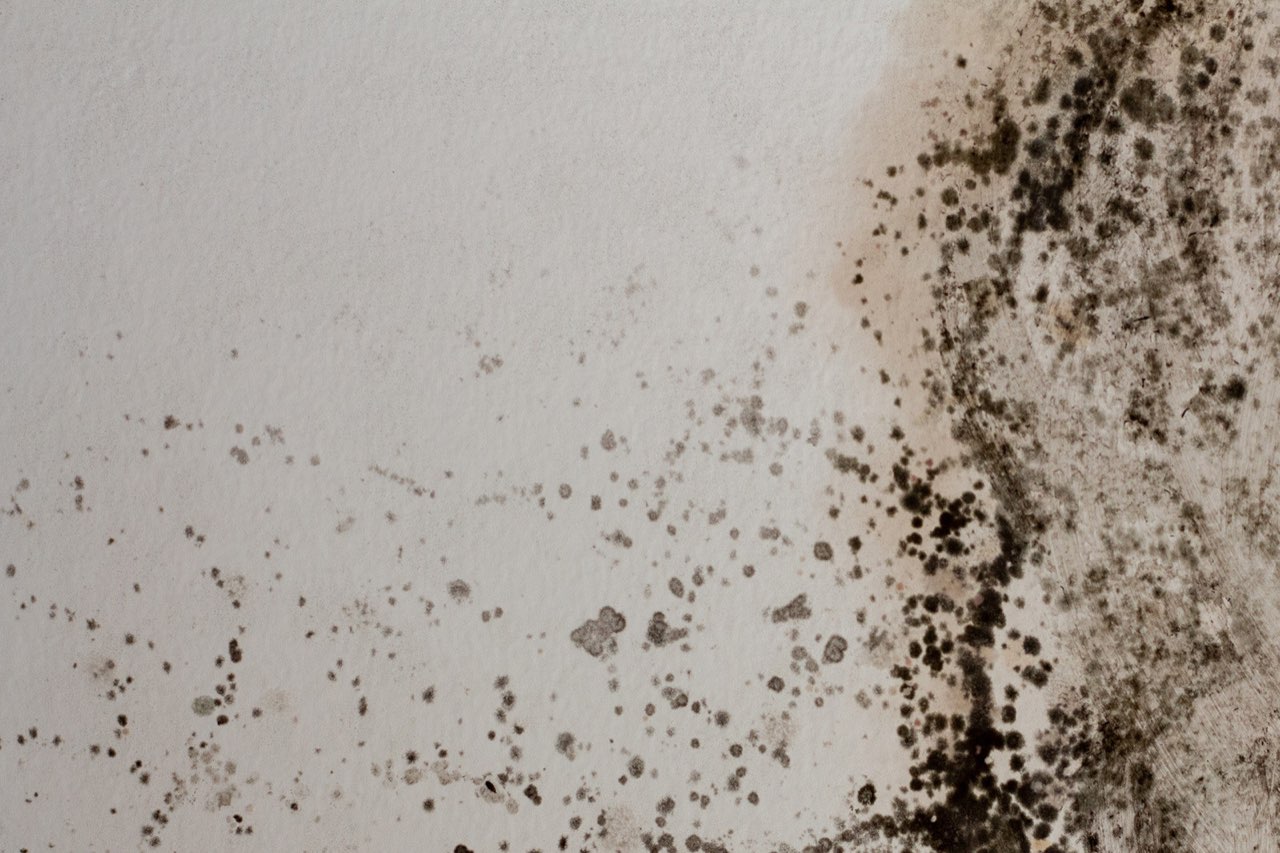
The pads grow mold, and the blower delivers it in April. This is the most common one. The house smells earthy when the cooler starts, family members with allergies react, and the pads come out black. If the unit ran long enough before anyone noticed, the ductwork and the ceiling around the duct can be contaminated too, and at that point it is a mold remediation job, not a pad change.
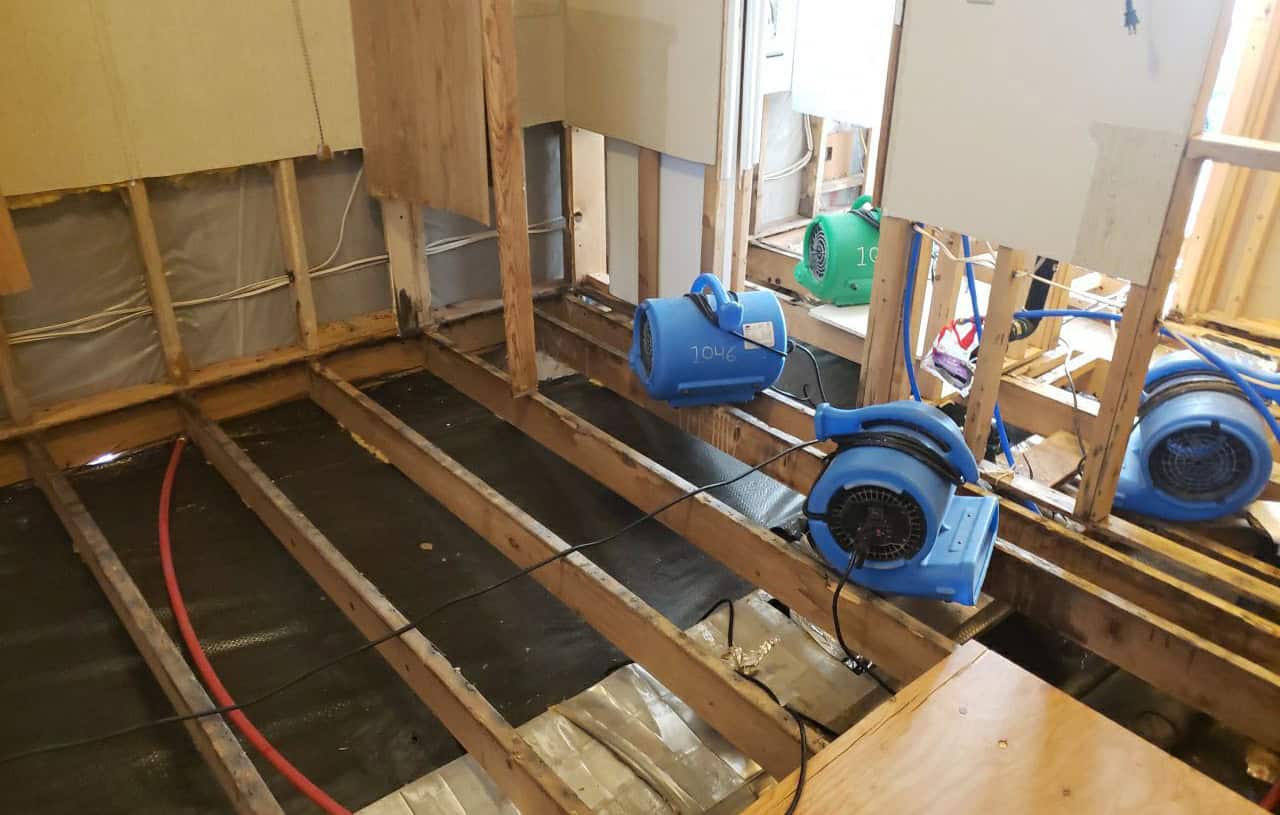
The float valve stays live and the pan overflows into the ceiling. If the supply valve was never shut, the float valve keeps refilling the pan. A float that sticks, or a pan that has rusted at a seam, drips through the roof penetration and into the attic and ceiling for the entire winter. Nobody is running the unit, so nobody notices until a stain shows up or the drywall sags. By then the water has usually been moving through the structure for months.
The open duct pulls dust and cold air in. A cooler with no cover and an open damper is a chimney in reverse. Winter dust storms push grit down the duct, and every heating dollar you spend goes partly up the same hole.
Standing water rusts the pan through. Water sitting in a metal pan all winter, with Yuma’s mineral load, eats the pan from the inside. A pan that rusts through fails in the middle of next summer, when it is full and running, and the water goes into the roof.
Snowbirds: Drain the Swamp Cooler Before You Leave for the Summer
Snowbirds have the opposite problem: the cooler sits idle through the hottest months, not the coolest. The same rule applies. Drain it, dry it, pull the pads, and shut the supply valve before you leave, or a stuck float valve has all summer to leak. The full list is in The Snowbird’s Guide to Summerizing Your Yuma Home.
When Swamp Cooler Damage Needs a Restoration Company
A dirty pan and a set of crusted pads are a homeowner job. These are not:
- A stain, soft spot, or sag in the ceiling below the cooler
- A musty smell indoors that continues after the pads are replaced and the unit is cleaned
- Visible mold on the ceiling, in the duct, or around the register
- A pan that has rusted through, or water on the roof deck around the unit
Aquasafe Restoration has handled cooler leaks and the mold that follows them in Yuma homes for more than 20 years. We trace the water with moisture meters and thermal imaging, dry the roof deck and ceiling properly, remediate the mold to the IICRC S520 standard, and bill your insurance carrier directly. For active water damage we answer 24 hours a day and can be on site within 60 minutes. Call (928) 750-1670.