Most of Yuma’s winter residents land between the middle of October and the end of November, and by the time the last ones arrive, close to 100,000 snowbirds have nearly doubled the population. If you are one of them, the house you are walking back into has been closed up through the hottest months of the year and a full monsoon season, which runs June 15 through September 30.
A leak that starts in June in an occupied home gets caught that day. The same leak in a house nobody has entered since April has had months of heat and no air movement to work with. This is the order to check things in, so that if something did go wrong, you find it before it gets worse. If you walk in on a mess, call Aquasafe Restoration at (928) 750-1670.
Walk the Outside of Your Yuma Home Before You Go In
Walk the outside of the house first, while it is still light out.
- Look at the roof line and the ceiling below any rooftop swamp cooler. A cooler left with water in it, or a float valve that stuck, can leak slowly through the roof all summer. Stains on the eaves or the ceiling directly under the unit are the tell.
- Look for signs that monsoon water reached the house. Debris lines against the foundation, silt in the garage, mud stains on the bottom of the stucco, or gravel washed across the drive all mean storm water pooled against the home at some point. Yuma soil does not absorb rain, so even one strong storm can push water under a door or through a garage threshold.
- Check drains, scuppers, and gutters. If they are packed with debris now, they were packed during the storms too.
Step 1: The Smell Test for Mold and Sewer Gas in a Closed-Up House
Go inside before you open windows or turn on the air conditioning. A shut-up house holds its smells, and those smells are the fastest diagnostic you have.
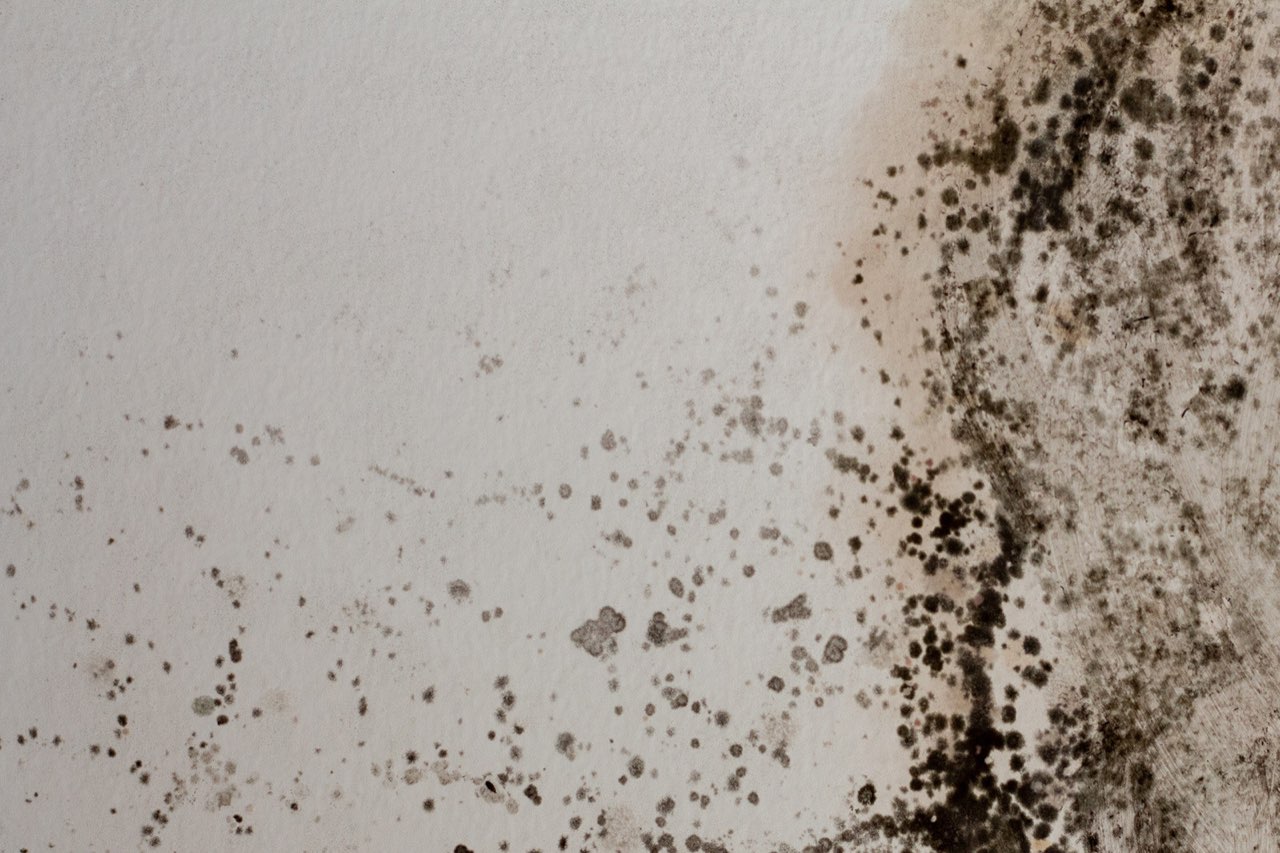
- Musty, earthy, or damp. That is mold. Follow the smell room by room and into closets, because mold in Yuma homes tends to grow where water sat and air did not move: inside closets on exterior walls, behind the refrigerator, under sinks, in the water heater closet, and in ceilings below a swamp cooler.
- Sewer or rotten-egg smell. Almost always dry drain traps, not a sewage problem. The bend under every drain holds water that blocks sewer gas. In an unused drain that water evaporates in two to three weeks, and Yuma heat does it faster. Run every faucet, shower, tub, and floor drain for a minute or two and the seal comes back.
- Burnt or electrical smell. Stop and have an electrician look before you start turning breakers on.
Step 2: How to Turn the Water Back On After a Summer Shut-Off
If you shut the main off when you left, which is the single most important step in summerizing a Yuma home, open it only part way now. Then walk to each supply point before you open it fully:
- Washing machine hoses. These are among the most common sources of home flooding, and rubber hoses get brittle in a house that sat at 110 degrees.
- Refrigerator ice maker line. The small plastic line behind the fridge is easy to forget and hard to see until the floor is soft.
- Each toilet. Watch the supply valve and the base for a few minutes.
- Under every sink. Look and feel for drips at the shut-off valves and the trap.
- The water heater. Look at the floor around it and at the fittings on top.
Then go read your water meter with every fixture off. If it is still moving, something is leaking somewhere you have not looked yet. Shut the main back off until you find it.
Step 3: Refill the Water Heater Before You Turn It On
If you drained the tank or set it to vacation mode, fill it before you restore gas or electricity. Open a hot tap in the house, let the tank fill until that tap runs steadily, then turn the power on or relight the pilot. Firing an empty tank can burn out an electric element or damage the tank.
While you are there, look for rust streaks, moisture at the drain valve, and any bulging. Yuma’s hard water is hard on water heaters, and tanks here often fail years earlier than the national average. If yours is getting old, fall is a reasonable time to replace it rather than gamble on another season. There is more on why in Hard Water Is Quietly Killing Your Yuma Water Heater.
Step 4: Check the Swamp Cooler and AC Before Running Them
If your home has a rooftop evaporative cooler, do not start it without looking inside first. A cooler that spent the summer with water in the pan is a mold problem waiting for a blower, and the first time you run it, it pushes that into every room. Drain it, pull the pads, and let it dry before it runs again.
If you have central air, look at the condensate drain line where it exits the house and check the ceiling or closet around the air handler for staining. A clogged condensate line overflows into the ceiling, and it does that quietly.
Step 5: Where Water Damage Hides in an Empty Yuma Home
Now do the slow walk with a flashlight.
- Ceilings, especially in rooms below the cooler or the air handler
- Closets on exterior walls, and the corners behind stored boxes
- Under every sink, and the cabinet floor below the dishwasher
- The floor around the washer and the water heater
- Baseboards along exterior walls, for swelling, staining, or flooring lifting at the edge, which in the irrigated parts of the valley can mean moisture coming up through the slab
- Window sills on the side of the house that faced the storms
What you are looking for: brown or yellow stains, soft or bubbling drywall, warped or lifted flooring, dark spots along baseboards, and any surface that feels cooler or damper than the wall next to it.
What to Do If You Find Water Damage or Mold When You Return
Take photographs before you touch anything. Then leave it.
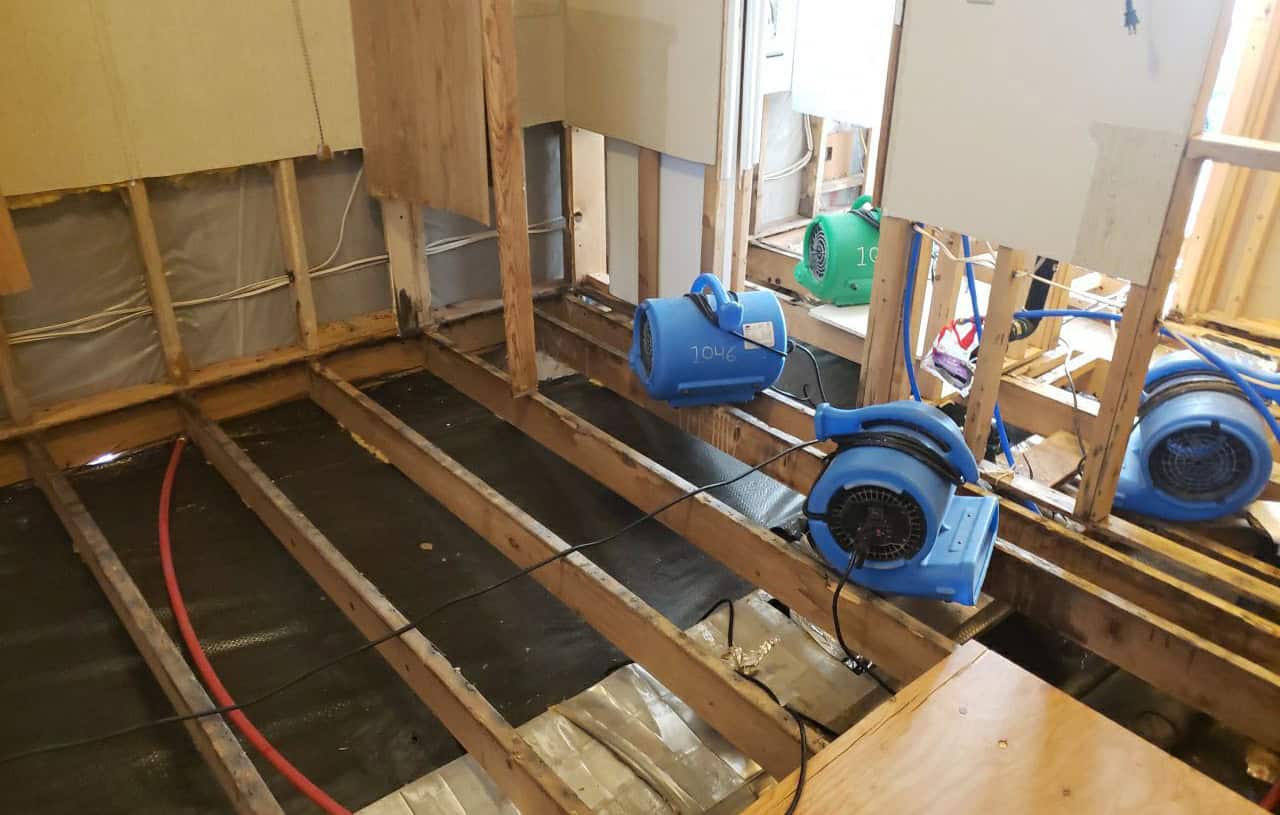
Water that has been sitting for weeks in a closed-up house has soaked into materials you cannot see, and mold that has been growing since July does not clean up with a rag and a bottle of bleach. Running fans across it or cutting into a wall to see how far it goes spreads spores through the rest of the house and makes the eventual job bigger.
Check your policy as well. Many homeowners policies limit coverage on a home that sat vacant beyond 30 to 60 days, and some expect the water to have been shut off. Your pre-summer photos and your fall photos are what the adjuster will ask for.
Aquasafe Restoration has cleaned up after Yuma summers for winter residents for more than 20 years. We find the moisture with meters and thermal imaging, extract and dry the structure, remediate any mold, and bill your insurance carrier directly. For water damage we answer 24 hours a day and can be on site within 60 minutes. Call (928) 750-1670.