Most people call every part of this “water damage restoration,” but the work splits into two distinct phases with different equipment, different timelines, and often different line items on your insurance claim. Knowing which phase you are in tells you what should be happening in your house today.
Aquasafe Restoration handles both phases across Yuma County. Call (928) 750-1670 and a crew is on site within 60 minutes.
Water Mitigation vs. Water Damage Restoration
Water mitigation is the emergency phase. Its only job is to stop the loss from getting worse: shut off the source, get the water out, remove material that cannot be saved, and dry the structure to a verified standard. It is measured in hours and days, and every hour of delay makes it more expensive.
Water damage restoration is what comes after. It puts the building back: drywall, baseboard, flooring, cabinetry, paint. It is measured in days and weeks, and it cannot start until the structure passes dry readings.
Insurers frequently treat these as two separate approvals, which is why mitigation usually begins before the rebuild is settled. Carriers understand that waiting for approval on the emergency phase costs them more, not less.
Phase 1: Emergency Water Extraction
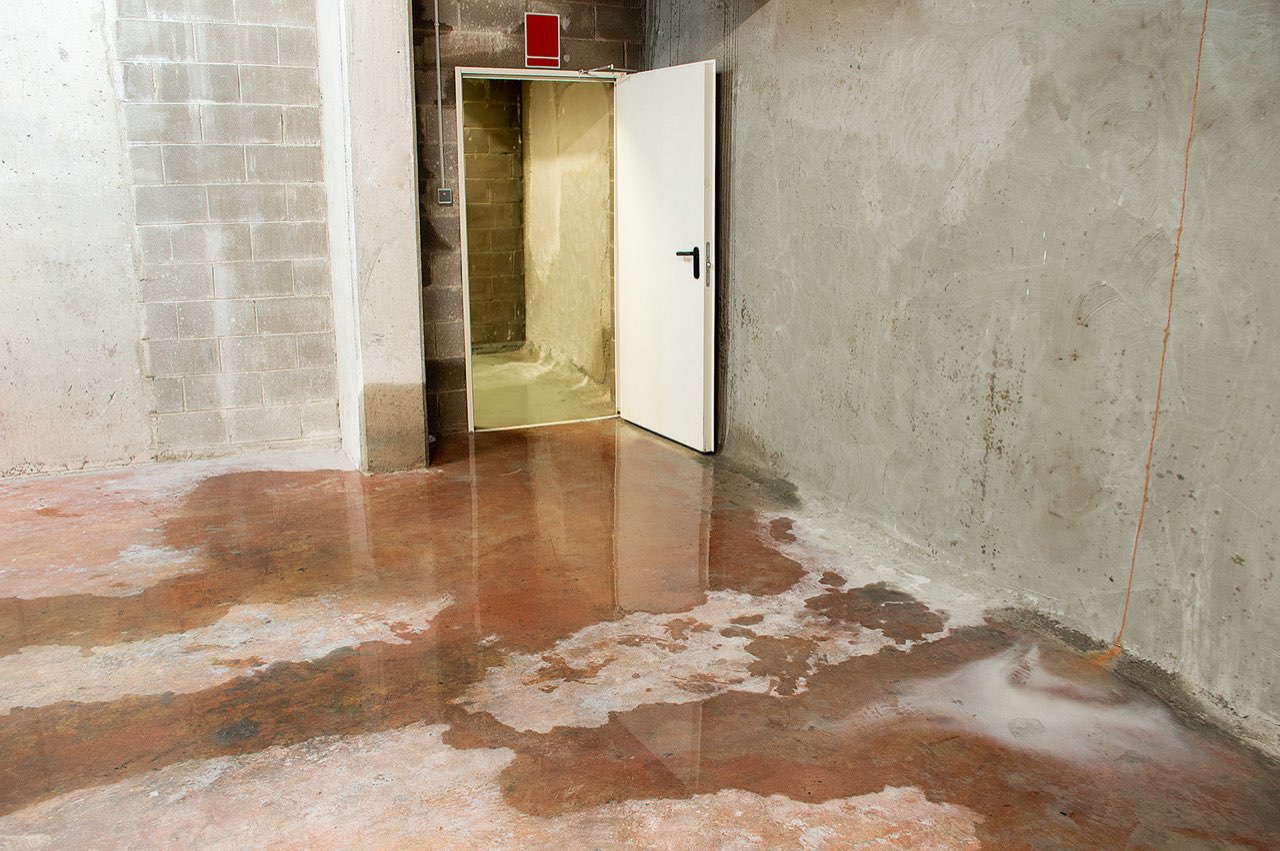
The first crew on site finds and stops the water source, then removes standing water with industrial extractors. On a slab home, water spreads laterally and fast, so the extraction footprint is almost always larger than the visible wet area.
We map the actual spread with moisture meters and thermal imaging before deciding what comes out. This matters more than it sounds: water wicks upward into the bottom of drywall, into baseboard, under tack strip, and into the subfloor adhesive, and a floor that looks dry two days later can still be holding water 18 inches up the wall.
Phase 2: Controlled Demolition
Not everything that got wet can be dried. What comes out depends on the material and the water category.
- Carpet pad almost always comes out. It holds water and cannot be dried in place reliably.
- Drywall is cut above the high-water line where it has wicked, typically at least 12 inches on contaminated losses.
- Insulation in an affected wall cavity comes out with the drywall.
- Hard surfaces like tile, sealed concrete and finished wood are usually cleaned and dried in place rather than removed.
On a Category 1 loss caught within hours, this phase can be small. On a sewage or flood loss it is most of the job.
Phase 3: Structural Drying
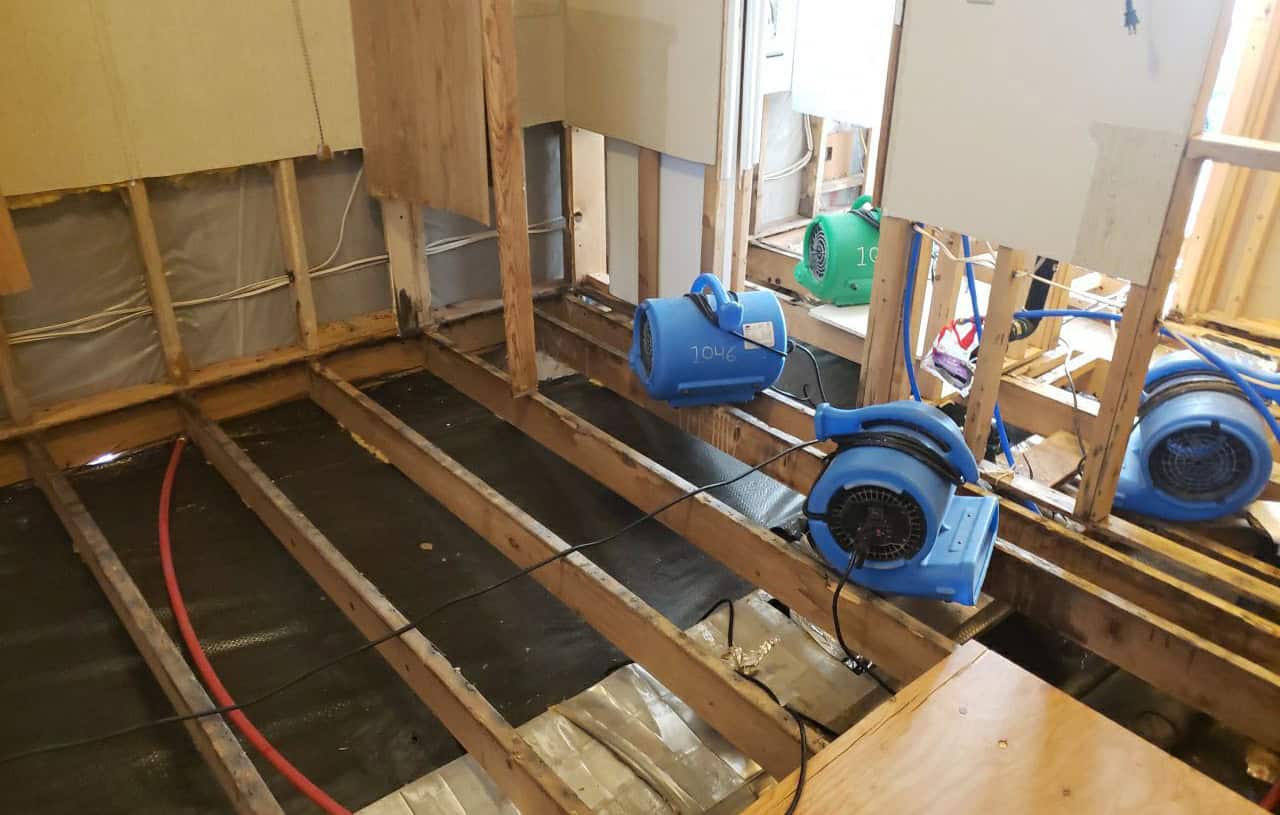
Air movers and commercial dehumidifiers run together for a reason. Air movers lift moisture out of materials into the air; dehumidifiers pull it out of the air so it leaves the building. Fans alone just relocate the problem.
Drying typically runs 3 to 7 days, with moisture readings taken and logged daily. Two things extend it in Yuma: slab homes in the irrigated parts of the valley near Somerton often carry moisture from below before the loss even happened, and closed-up homes in summer heat hold humidity that works against the equipment.
Equipment comes out when the readings say the structure is dry, not when a set number of days has passed. Sealing new material over a wet substrate is how a repaired home develops a mold problem six months later.
Phase 4: Cleaning, Disinfection and Mold Prevention
Every affected surface is cleaned and treated with an antimicrobial before anything is closed up. On Category 2 and 3 losses this step is not optional, and HEPA air scrubbers run throughout to control what is airborne while the work is happening.
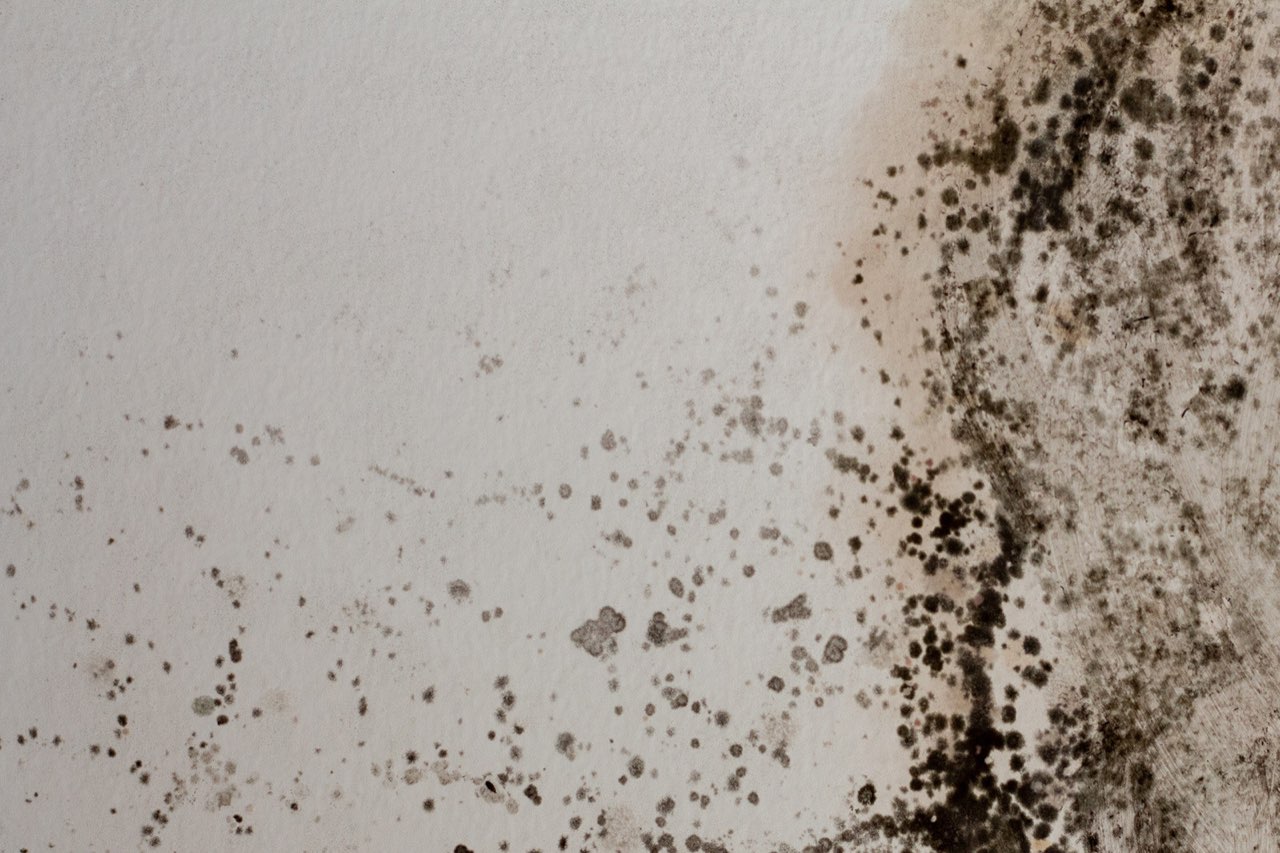
This is also the phase where hidden mold gets caught or missed. In Yuma’s heat, mold can establish within 24 to 48 hours of the original water exposure, so on any loss that sat before we were called, we are looking for it rather than assuming it is not there.
Phase 5: Restoration and Rebuild
Once the structure passes dry readings, we rebuild what came out: drywall, texture, paint, baseboard, flooring, cabinetry. Because we do both phases, nothing gets lost in a handoff between a mitigation company and a separate contractor, and the documentation stays in one file for your adjuster.
What Your Insurer Sees
Aquasafe Restoration bills your insurance company directly, so in most cases you pay your deductible rather than the full cost up front.
What the adjuster receives is the evidence the claim runs on: photographs from before anything was touched, daily moisture logs across the drying period, the water category and why it was assigned, and an itemized scope. That record is what turns a disputed claim into a paid one. Our guide to water damage insurance claims in Yuma covers what is typically covered and what is not.
Call (928) 750-1670 any hour for emergency water mitigation across Yuma, Fortuna Foothills, Somerton, San Luis, Wellton and Gadsden.