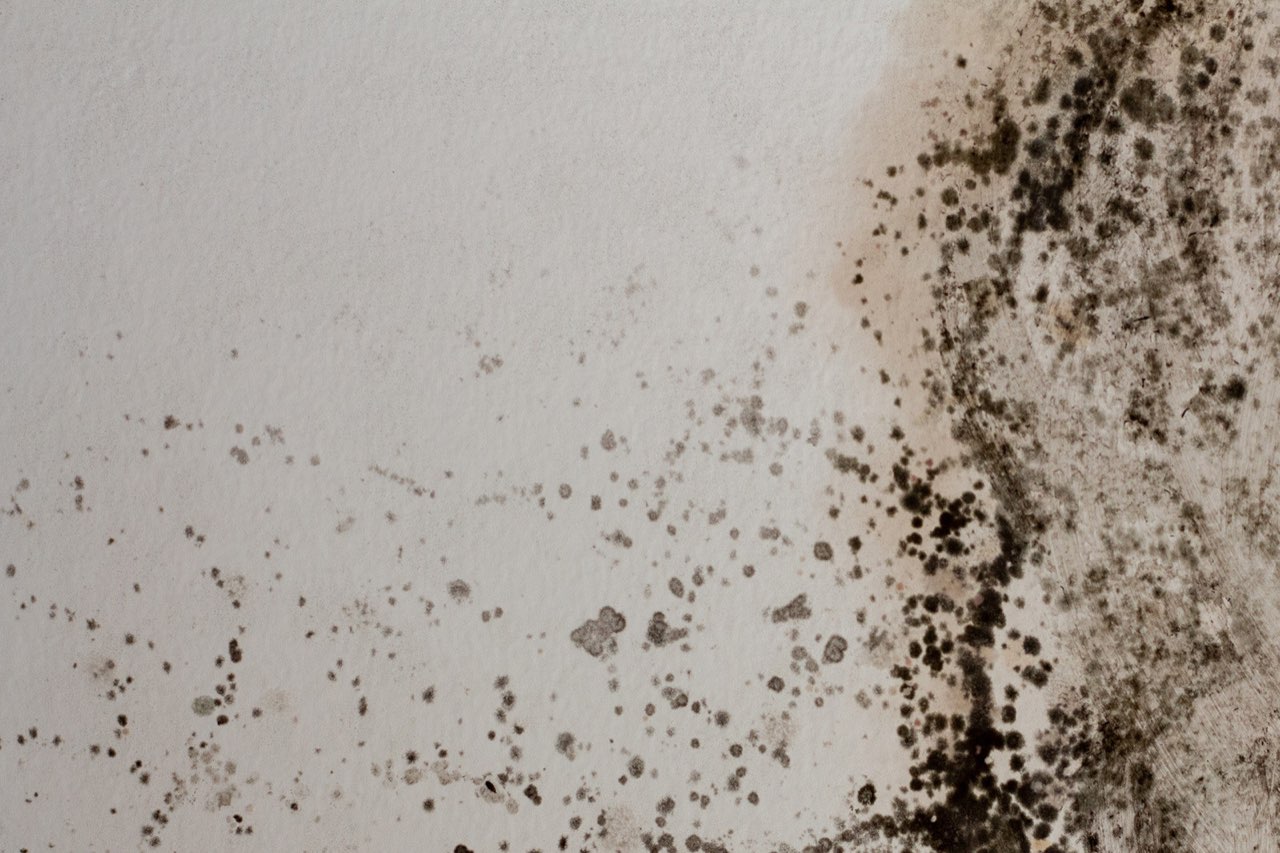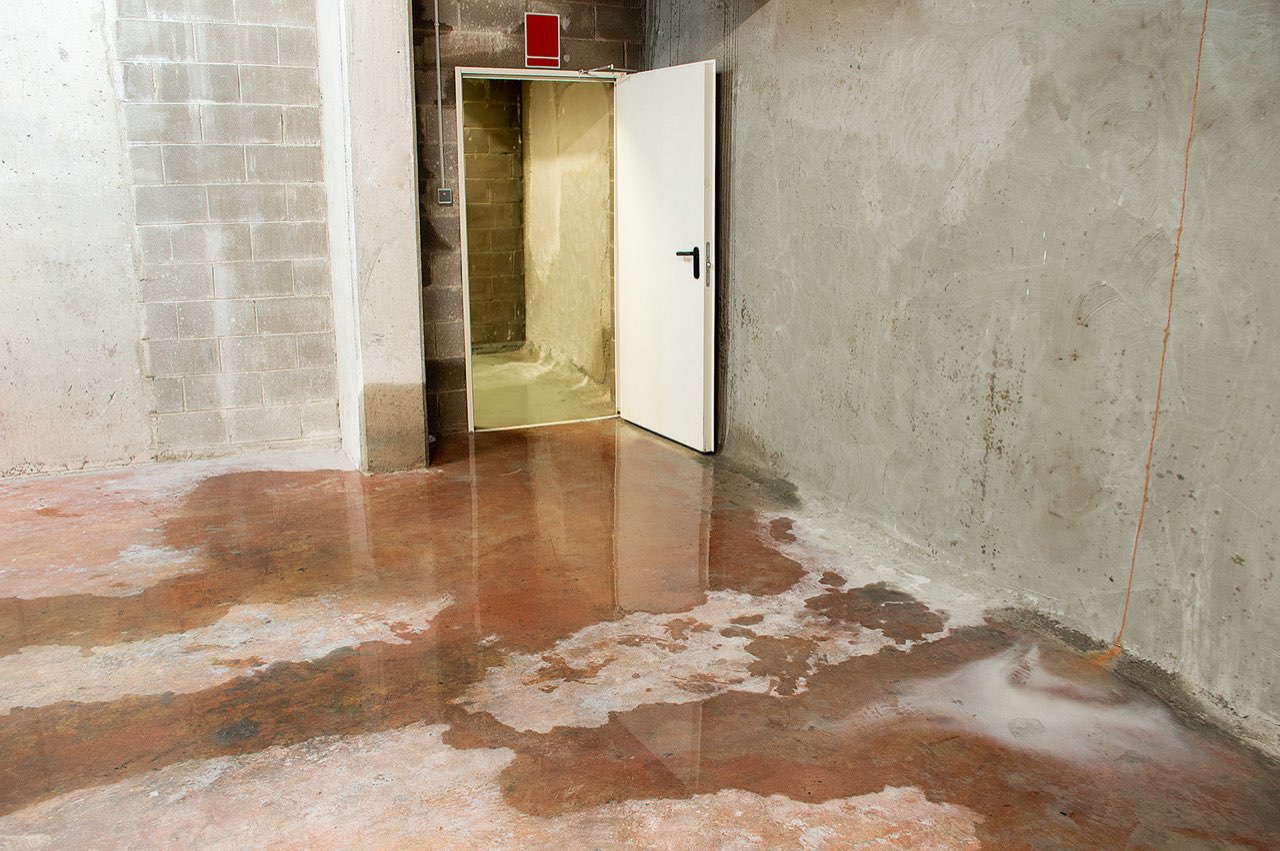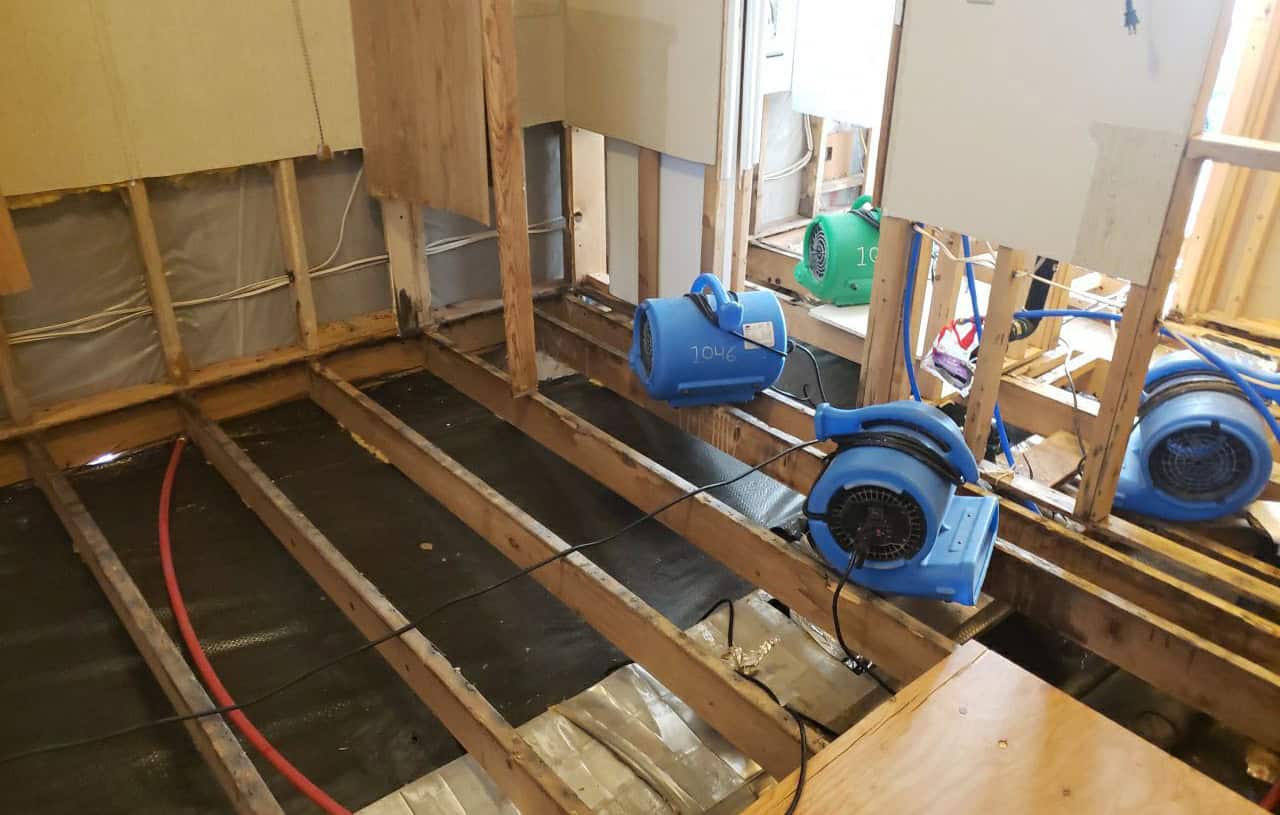
Not all water damage is the same. Water from a broken supply line and water from a sewage backup look similar on a floor but are handled in completely different ways, and the difference decides what gets saved and what goes in a dumpster.
The IICRC, the standards body for the restoration industry, sorts water damage into three categories based on how contaminated the water is. That classification drives everything downstream: protective equipment, containment, disinfection, and how much material comes out of the building.
If you need water damage restoration in Yuma, call Aquasafe Restoration at (928) 750-1670.
Category 1: Clean Water
Category 1 water comes from a sanitary source and poses no immediate health threat at the moment it escapes. Typical sources are a broken supply line, a failed water heater, an overflowing bathtub with nothing in it, or rainwater that has not touched the ground.
The important thing about Category 1 is that it does not stay Category 1. Once it soaks into drywall, carpet pad, or the bottom plate of a wall, it picks up dirt, dust and organic material, and bacteria begin multiplying. Within 24 to 48 hours it has degraded into Category 2. In a Yuma summer, with warm building materials and the house closed up, it moves through that window faster rather than slower.
On a genuine Category 1 job caught early, most materials can be dried in place rather than removed. That is the practical reward for calling quickly.
Category 2: Gray Water
Category 2, often called gray water, contains contamination significant enough to cause illness or discomfort if someone ingests it or gets it into a cut. The water is not sanitary, but it is not carrying sewage.
Common Category 2 sources:
- Washing machine discharge, including the hose that feeds it
- Dishwasher overflow
- A toilet overflow containing urine but no solids
- Water from a broken aquarium or waterbed
- Category 1 water that has sat long enough to degrade
Category 2 requires antimicrobial treatment on every affected surface, and porous materials that absorbed it often cannot be saved. Carpet pad in particular comes out. Left untreated, Category 2 degrades to Category 3 in roughly 48 hours.
Category 3: Black Water
Category 3, historically called black water, is grossly contaminated and can cause serious illness. This is where the job stops being cleaning and becomes removal.
Sources include sewage backups, water from beyond a toilet trap, rising water from rivers or storm drains, and any water that has stood long enough to turn seriously microbial. In Yuma, monsoon flash flooding lands squarely here: that water has crossed open desert, run through a wash, and collected sediment, agricultural chemicals and street runoff before it reached your door.
Category 3 work requires full PPE, containment under negative air pressure with HEPA filtration, EPA-registered disinfectants, and removal of essentially all porous material the water touched. Carpet and pad, insulation, and drywall to at least 12 inches above the high-water line all come out.
Why the Category Decides Your Timeline and Your Bill
Two homes can take on the same volume of water and face completely different jobs. Category matters more than quantity.
A Category 1 loss caught within hours is mostly extraction and drying, typically 3 to 7 days with daily moisture readings, and most of the structure stays where it is. A Category 3 loss of the same size means demolition, disposal, disinfection, drying, and then a rebuild of everything that came out.
This is the real argument for calling early. You are not only limiting how far the water spreads, you are trying to keep the loss in a lower category, because the category is what sets the cost.
What We Do Before Anything Gets Touched
On arrival, Aquasafe Restoration establishes the category before cleanup begins, because it sets the safety requirements for the crew and the scope of the job. We assess the source, look for contamination indicators, and take moisture readings across the affected area to work out how far the water travelled and how long it has been there.
That classification goes into the documentation your insurance adjuster receives. Carriers treat the categories differently, and a job scoped as Category 3 needs a record showing why.
We handle all three categories across Yuma, Fortuna Foothills, Somerton, San Luis, Wellton and Gadsden, 24 hours a day, with crews on site within 60 minutes. Call (928) 750-1670.