If you are comparing mold companies in Yuma County, you have already run into the problem: every one of them says it is certified, and there is no license number to check. Arizona has no state licensing, certification, or registration requirement for mold inspectors or remediators. It is one of roughly 38 states with no mold regulation at all. No board, no exam, nothing to look up.
That puts the vetting entirely on you. The good news is that the right questions sort the field fast. Here are seven, with the answers you want to hear and the ones that should end the call.
1. Which IICRC certifications do you hold, and who on my job holds them?
The Institute of Inspection, Cleaning and Restoration Certification, the IICRC, is the credentialing body that matters in this industry. “We’re certified” is not an answer. Ask for the specific credentials.
The mold-specific one is Applied Microbial Remediation Technician (AMRT). It is a four-day, 28-hour course that covers containment, pressure differentials, demolition and cleaning procedures, and protective equipment, and it is taught from the IICRC S520 mold remediation standard. A technician cannot take AMRT without first completing Water Damage Restoration Technician (WRT), which matters because mold is always a water problem first.
Then ask who on the crew coming to your house holds it. A certificate framed in an office 40 miles away does not set up containment in your hallway.
2. Do you follow the IICRC S520 standard, and can I see the scope in writing?
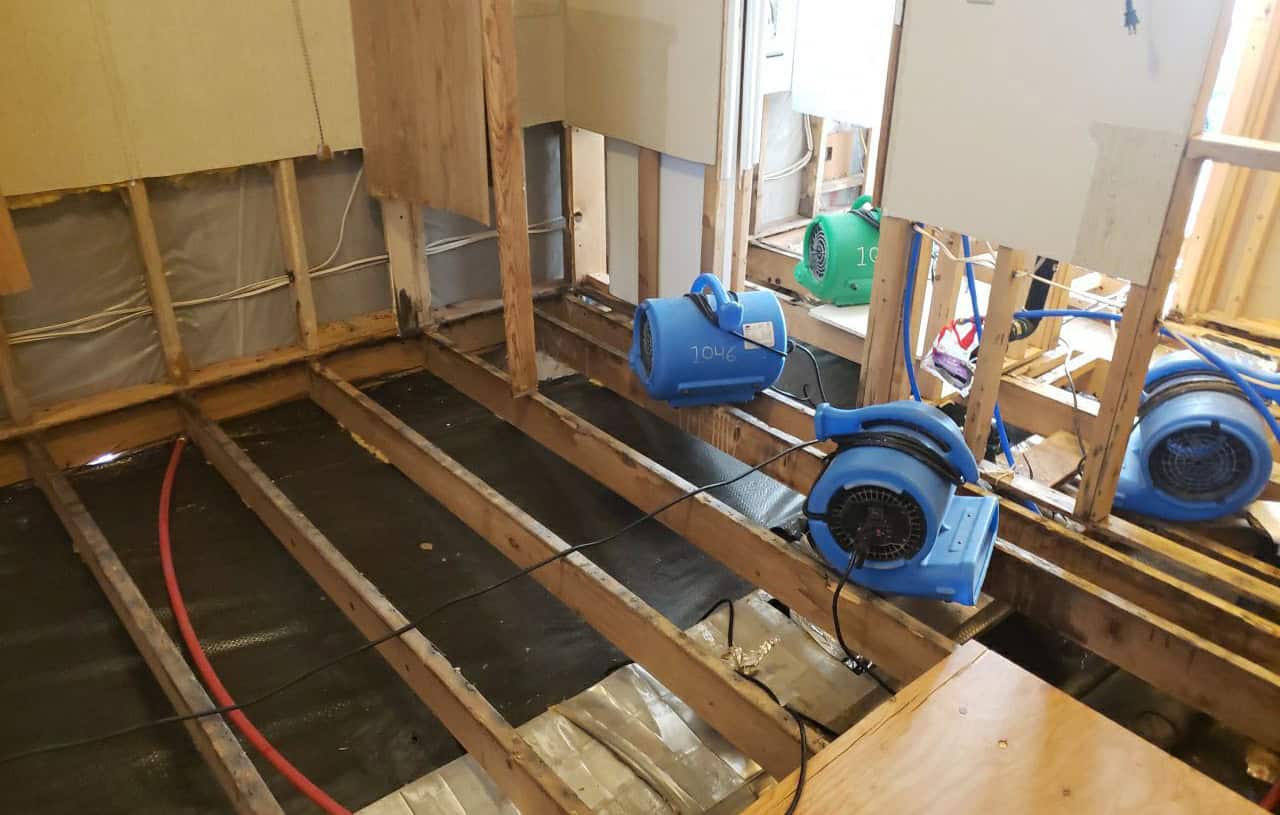
S520 is the industry standard for professional mold remediation. A company that follows it will describe the same sequence every time: identify and correct the moisture source, contain the affected area so spores do not travel, run HEPA-filtered air scrubbers, remove porous materials that cannot be cleaned, clean and treat the structural materials that remain, and verify the result.
Ask for that in writing before anyone starts. The written scope should name the moisture source and how it will be fixed, the rooms to be contained, the materials to be removed, and how the work will be checked. If the “estimate” is a number and a handshake, keep looking.
3. Do you do the testing and the removal?
This is the question most homeowners never think to ask, and it is the one that exposes the conflict of interest in this business.
S520 calls for post-remediation verification to be done by an independent third party, an indoor environmental professional with no financial interest in the job. A company that tests your home, tells you how bad it is, quotes the cleanup, does the cleanup, and then tests again to declare it clean has graded its own homework at every step. The incentive runs the wrong way in both directions.
The answer you want: “We do the assessment and the remediation. Laboratory sampling and clearance testing go to an independent hygienist.” We wrote a full explanation of the two separate jobs in How Do I Get Someone to Inspect My Home for Black Mold?
4. What is causing the mold, and will you fix that too?
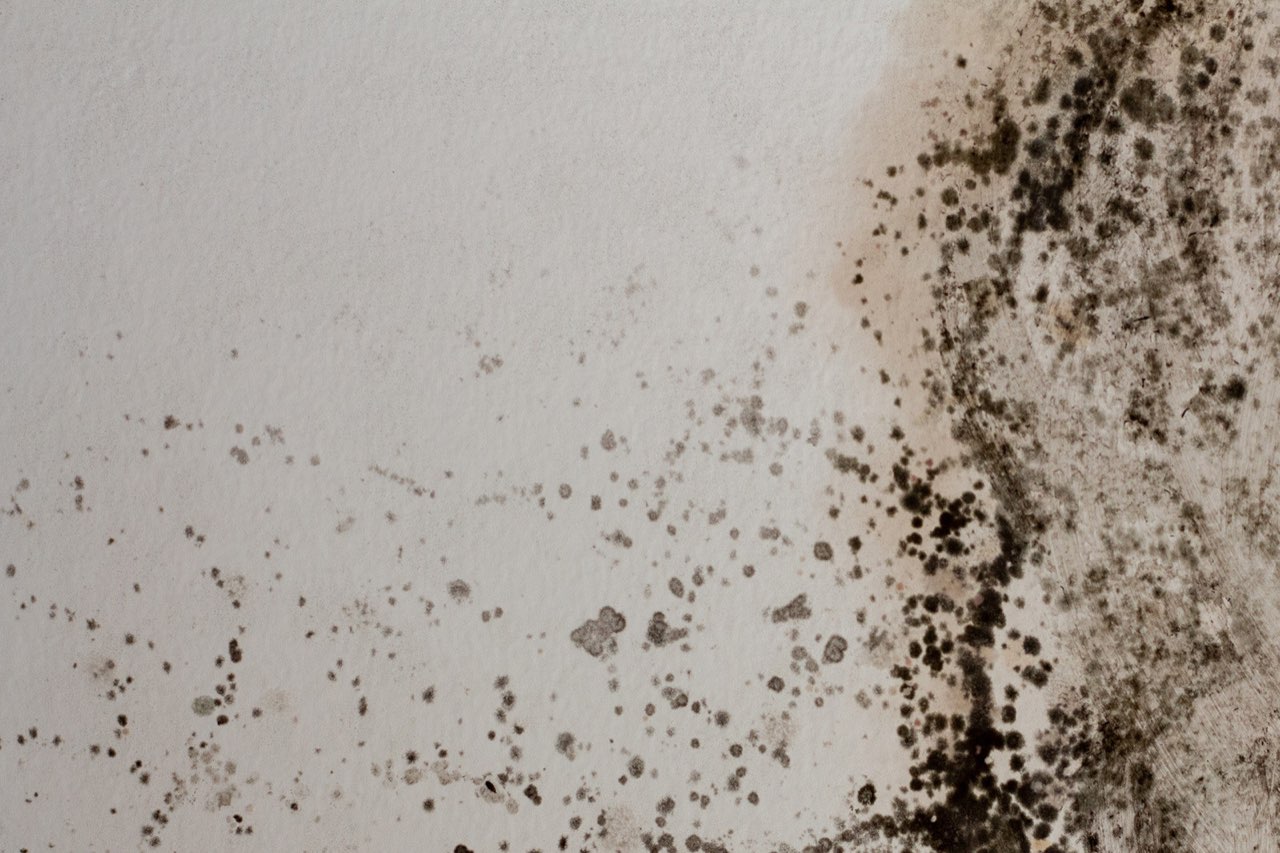
Mold is a symptom. Something is wet or was wet, and until that changes the mold comes back no matter how thoroughly it was removed. A remediation company that does not start with a moisture source is selling you a cleaning, not a fix.
In Yuma the usual sources are specific: a roof-mounted evaporative cooler leaking into the ceiling, a clogged AC condensate line overflowing into a closet, a slow supply-line leak behind a wall, slab moisture wicking up along exterior walls in the irrigated parts of the valley, and water left standing in a snowbird home over the summer. Ask the estimator to show you the moisture readings, not just the mold.
5. Are you a licensed Arizona contractor, and are you insured?
Arizona does not license mold work, but it does license contractors. Remediation that removes drywall, flooring, or cabinets and then rebuilds is construction. Ask for the company’s Arizona Registrar of Contractors license number and look it up at roc.az.gov. The lookup shows whether the license is active, what classification it covers, and whether there are complaints on record. Then ask for a certificate of insurance, and confirm it is current.
A company with no ROC license and no insurance is asking you to carry the risk of anything that goes wrong in your walls.
6. What exactly is in the estimate, and what is not?
Two mold estimates for the same house can differ by thousands of dollars because they are not describing the same work. Make the estimator walk you through it:
- Is containment included, or is it a line item?
- Is disposal of removed materials included?
- Is structural drying included, and for how many days?
- Is rebuild (new drywall, paint, flooring, trim) included, or is that a separate contractor?
- Is independent clearance testing recommended, and who pays for it?
The cheapest number is usually the one that left the most out.
7. How will you document this for my insurance?
Whether a mold claim is covered depends almost entirely on the cause. Sudden events like a burst pipe or an appliance failure are usually covered. Long-term leaks and neglected maintenance usually are not. The remediation company’s documentation of the moisture source, with photos and readings, is what the adjuster works from. Ask whether they document cause, and whether they bill the carrier directly or leave that to you.
Mold Remediation Red Flags in Arizona
- “Free mold testing” bundled with a removal quote. See question 3. Free testing from the company that wants the removal job is a sales tool.
- Bleach, fogging, or spray-only treatment. Bleach does not reach the roots in porous drywall, and fogging treats air, not the material the mold is living in. Neither addresses the water.
- No containment. Cutting out moldy drywall in an open room spreads spores through the house.
- A guarantee that mold will never come back. Nobody can promise that without controlling the moisture in your home forever.
- Scare language. “Toxic black mold” pressure tactics and same-day-or-else urgency are sales pressure. Mold is not an emergency in the way a burst pipe is. You have time to get a second opinion.
- Full payment up front. A deposit is normal. All of it before the containment goes up is not.
How Aquasafe Restoration Answers These Seven Questions
Since this is a checklist, it is fair to hold us to it.
- Certifications: IICRC certified, and licensed in Arizona.
- Standard: Our remediation process follows IICRC S520: moisture source correction, containment, HEPA air scrubbing, removal of unsalvageable porous materials, antimicrobial treatment of structural materials, and verification before clearance.
- Testing: We do not do it. Our visual assessment is free and includes moisture metering and thermal imaging. Laboratory sampling and clearance testing are referred to an independent hygienist.
- Scope: Written, before work starts, with the moisture source named.
- Insurance: We document the cause and bill your carrier directly.
- Track record: More than 20 years in Yuma County, including a dedicated Somerton mold removal page because the irrigated valley produces more mold work than the rest of the county.
Call (928) 750-1670 for a free mold assessment anywhere in Yuma County. Ask us every question on this list. We would rather you did.