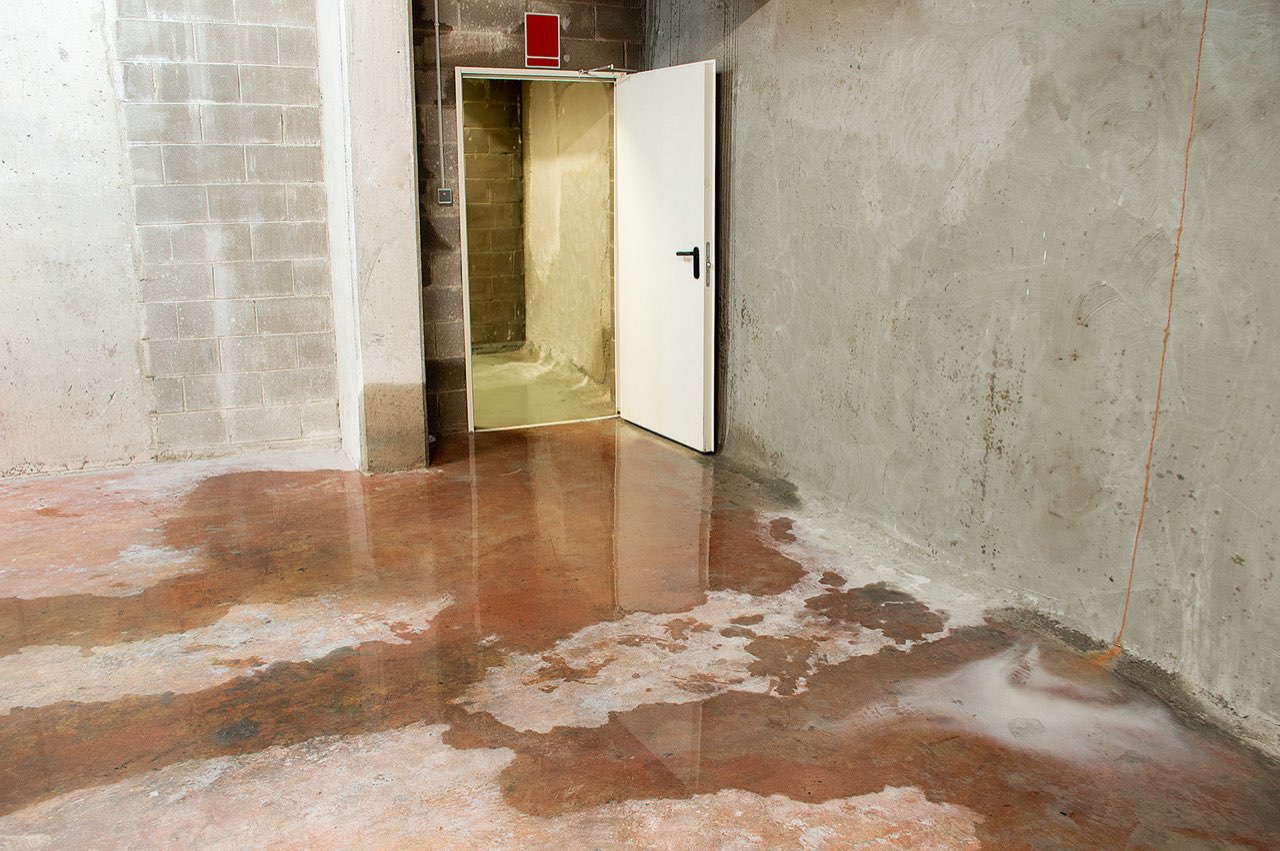
After a monsoon storm puts water in your house, you will find no shortage of people willing to take the job. Some of them are restoration companies. Some are a truck, a wet vac and a business card. Telling them apart matters, because the difference shows up months later in your walls.
Aquasafe Restoration has handled flood damage cleanup across Yuma County for more than 20 years. Call (928) 750-1670 any hour.
Arizona Does Not License Restoration, So Ask About Certification
There is no Arizona state license specific to water damage restoration or mold remediation. Anyone can print “restoration” on a truck tomorrow, which puts the vetting on you.
The credential that does exist is IICRC certification. The IICRC publishes the standards this industry actually runs on: S500 for water damage restoration and S520 for mold remediation. They govern how water gets classified by contamination, how far material is removed past the visible damage, and what “dry” means as a measurement rather than a feeling.
Ask which specific certifications the technicians hold, not just whether the company is “certified.” It is a fair question and a real one will answer it directly.
The Moisture Log Question Sorts Everyone Fast
Here is the single most useful question you can ask: will you take daily moisture readings and give me copies?
Drying is not finished when a floor feels dry. It is finished when a moisture meter says the material has returned to a normal level for the structure, and confirming that takes readings taken over successive days and written down. A company that dries by feel is guessing, and the guess is always optimistic because the equipment is expensive to leave running.
Those logs do double duty. They tell you the job was finished properly, and they are exactly what your insurance adjuster needs to approve the claim without an argument.
Why Flood Water Is a Removal Job, Not a Drying Job
Monsoon flood water is Category 3. It has crossed open desert, run through a wash, and picked up sediment, agricultural chemicals and street runoff before it reached your door. That is not water you dry in place.
A company that proposes to extract, run fans, and leave your carpet pad, insulation and lower drywall where they are is not doing flood work. On a Category 3 loss, porous material that absorbed contaminated water comes out. That is the standard, and it is the part cheaper quotes tend to leave out.
Compare quotes on scope, not just price. A quote that is half the others usually contains half the demolition.
Equipment That Does Something Household Equipment Cannot
The gap between rental gear and professional equipment is not power, it is function.
- Air movers lift moisture out of materials into the air. Household fans do this poorly and at the wrong angle.
- Commercial dehumidifiers remove that moisture from the air so it leaves the building. Box fans do not do this at all, which is why DIY drying often just relocates the water into the drywall.
- Moisture meters and thermal imaging find water inside walls and under flooring, where the majority of the damage is.
- HEPA air scrubbers control airborne contamination while contaminated material is removed.
If you want to know what should be happening in your house on each day of the job, our breakdown of water mitigation versus restoration walks through both phases and how long each takes.
Do Not Wait for the Adjuster
A common and expensive mistake is leaving a wet house alone for several days waiting for someone from the insurance company to look at it.
Policies generally require you to take reasonable steps to prevent further damage, and mold can establish within 24 to 48 hours. Waiting does not protect the claim, it weakens it. Photograph everything thoroughly before anything is touched, then let mitigation start. A company that documents properly keeps the claim intact while the work goes ahead.
What to Ask Before Anyone Starts
- Are your technicians IICRC certified, and in what?
- Will you provide daily moisture readings and copies of the logs?
- What is your scope: what comes out, and what are you drying in place?
- Do you bill my insurer directly, or do I pay and claim it back?
- Do you handle the rebuild, or hand it to another contractor?
- Are you licensed in Arizona and insured, and can you show me?
Aquasafe Restoration answers yes to all six. We are IICRC certified, licensed in Arizona and insured, we log readings daily, we bill your carrier directly, and we take a job from the first extraction through the finished rebuild rather than handing it off partway.
Call (928) 750-1670 for Yuma, Fortuna Foothills, Somerton, San Luis, Wellton and Gadsden. A crew is on site within 60 minutes.